DevFlow
AI-Powered Development Workflow
Spec to Ship
From design spec to deployed and monitored — DevFlow automates the full development lifecycle with the DEVB methodology, parallel code review agents, compound learning, and 43 type-safe slash commands.
What It Does
Every phase of development, automated.
DevFlow covers the full software delivery lifecycle — not just code review, not just CI/CD, but the entire loop from design to deploy to learn.
DEVB Methodology
Design → Emulate → Validate → Build. Validate specs with 4 AI agents before a line of code is written. Security, Performance, Cost, and UX agents run in parallel on every design.
CI/CD Automation
Native pipeline management for GitHub Actions and GitLab CI. Deploy, rollback, and scale from a single command interface. 43 type-safe slash commands covering dev, devops, design, db, and docker operations.
Test Orchestration
11 testing agents covering unit, integration, E2E, performance, and security tests. Coverage tracking with trend analysis. Tests that actually run automatically, not just generate coverage reports.
Monitoring
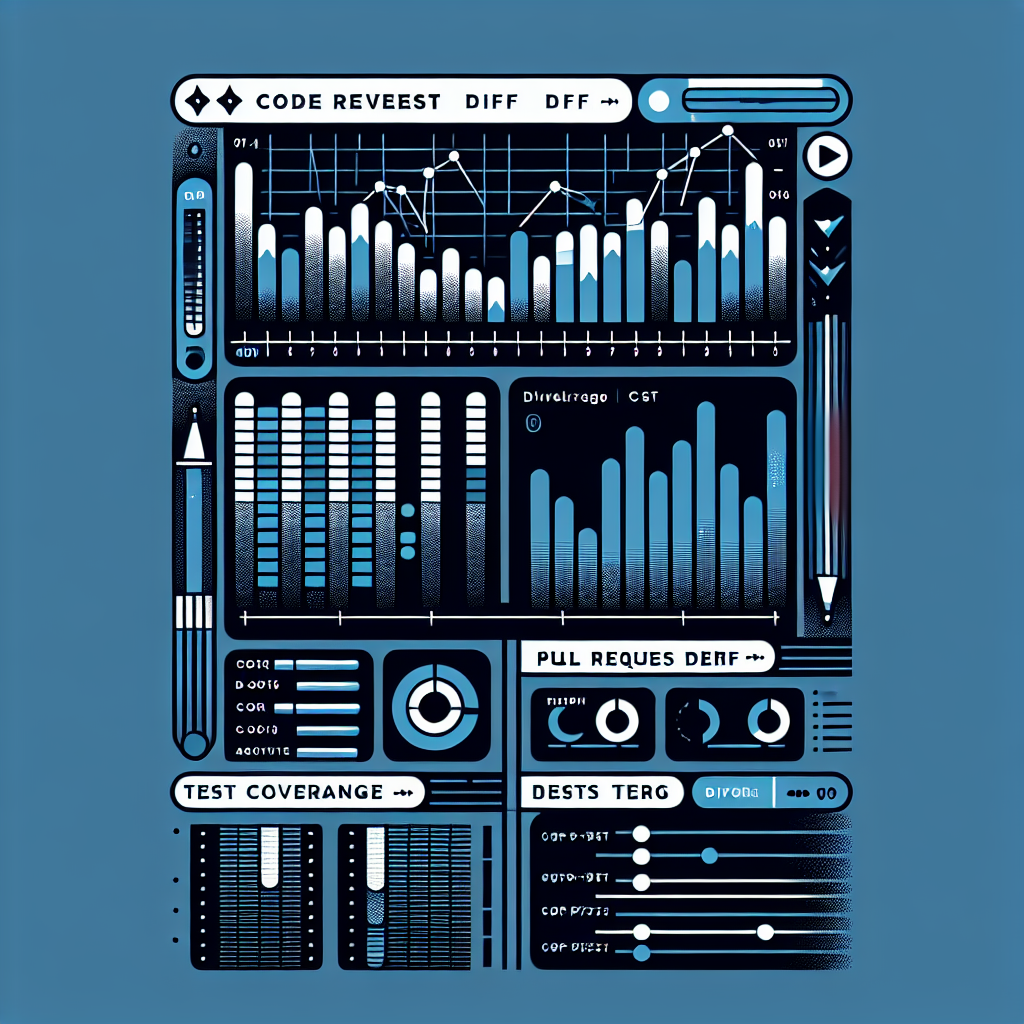
Prometheus metrics at /metrics on all 7 services. Pre-configured Grafana dashboards: DevFlow Overview, Pipeline Success Rate, Test Coverage Trends, Deployment Frequency. Loki log aggregation built in.
Compound Learning
Security findings from code reviews become available to the next architecture design. Sprint patterns compound into a knowledge base. The team gets smarter automatically — not just the person who found the issue.
Spec-Driven Development
The DEVB spec-generator at 1,980 lines produces design specifications, dry-run emulations, and multi-perspective validation outputs as structured artifacts — turning intent into executable plans before implementation begins.
The Methodology
Design. Emulate. Validate. Build.
DEVB shifts quality left — running 4 parallel AI agents against the spec before a line is written. Problems found at design cost minutes. Problems found in production cost days.
Design
Create a structured design spec: data models, API contracts, component interfaces, and business logic. The spec-generator (1,980 lines) turns intent into structured artifacts with sequence diagrams, OpenAPI specs, and test plans.
Emulate
Test the design without building it. Three emulation modes: dry-run execution, static analysis, and simulation against realistic data. Catch integration issues and edge cases at the design stage.
Validate
4 AI agents run in parallel against your spec (1,382 lines): Security (vulnerabilities, auth, crypto), Performance (N+1 queries, algorithm complexity), Cost (infrastructure spend, API call patterns), and UX (flows, accessibility, error handling).
Build
Implementation begins from a validated spec. The implementer agent executes task groups in dependency order, writes tests first (TDD), and runs quality gates before marking work complete. No guessing. No re-work.
Who It's For
Engineering teams who ship at a higher rate than their tools allow.
Engineering Teams
Replace the fragmented stack of code quality, CI/CD, monitoring, and analytics tools with one system that shares context across every stage of delivery.
Solo Developers
Get 11 testing agents, compound learning, and pre-configured monitoring without building the infrastructure. The same rigor that enterprise teams maintain with dedicated DevOps headcount.
CTOs
Visibility into deployment frequency, pipeline success rates, and test coverage trends — the metrics that matter — without managing the tooling that generates them. Engineering analytics as an output, not a project.
Tool Replacement
What DevFlow replaces — and saves.
| Tool You're Replacing | Typical Cost | What DevFlow Does Instead |
|---|---|---|
| LinearB / Swarmia | $15–$30/user/mo | Native pipeline analytics: deployment frequency, test coverage trends, API performance — Prometheus metrics on all 7 services |
| SonarQube / Code Climate | $10–$25/user/mo | DEVB validation engine runs Security, Performance, Cost, and UX agents on design specs before implementation — shift-left by design |
| GitHub Copilot (analytics) | $19/user/mo | CI/CD orchestration, test execution, and deployment workflows natively — Copilot's analytics surface is a subset of DevFlow's coverage |
| Grafana Cloud / Datadog | $15–$30/user/mo | Monitoring service wires Prometheus, Grafana dashboards, Loki log aggregation, and alert rule management — pre-configured, not custom-built |
| Miro / Lucidchart | $8–$16/user/mo | DEVB spec-generator produces design specifications, dry-run emulations, and validation outputs as structured artifacts — not whiteboard exports |
For a 10-person engineering team: $8,040–$14,400/year in direct tool savings before accounting for integration maintenance.
The Agents
11 Agent OS + 11 testing agents. Purpose-built, not general-purpose.
qa-engineer Test planning, coverage strategy, test automation setup
implementer Full-stack implementation with TDD, spec-driven task execution
security-auditor Vulnerability assessment, auth review, crypto weakness detection
performance-analyzer N+1 queries, algorithm complexity, caching opportunities
code-architect SOLID principles, design patterns, coupling analysis
solution-designer Solution specification, API contract design, integration architecture
devops-engineer Infrastructure as code, deployment patterns, service orchestration
rollout-coordinator Release planning, feature flagging, phased rollout management
rollback-sentinel Rollback detection, health monitoring, automatic revert triggers
implementation-verifier Post-implementation quality gates and regression checks
full-stack-verifier End-to-end frontend/backend integration verification
Workflows
Three core workflows. Zero tool-switching.
Feature Development
Spec → Ship in 7 steps
- Initialize spec with
init-spec - Shape requirements with
shape-spec - Write specification with
write-spec - Design API contracts with
design-contract - Generate task list with
create-tasks - Execute tasks TDD with
implement-tasks - Verify completion with
verify-implementation
Code Review
Parallel 3-agent review in minutes
- Trigger
devflow:reviewwith review type - Security, Performance, Architecture agents run in parallel
- Findings aggregated with severity and fix examples
Test Suite
Automated, not just reported
- Test types dispatched to specialized agents
- Results aggregated with coverage trends
- Failures routed for human attention with context
Before / After
A sprint without DevFlow. A sprint with it.
- Manual code reviews take 2–3 days to schedule and complete
- Security issues found in production, not in design
- Flaky tests break the pipeline — root cause unclear until someone digs
- No learning captured: the same architectural mistake happens on the next sprint
- Grafana configured per-engineer, per-project, on their own time
- Context switching between SonarQube, LinearB, GitHub, and monitoring
- 4 parallel review agents complete in 3–5 minutes, findings ready before lunch
- DEVB validation catches security issues at spec stage — before code exists
- Test failures routed with context, not just a failing test name
- Every sprint's patterns compound into a searchable learning base
- Grafana dashboards pre-configured across all 7 services at startup
- 43 commands, one interface — deploy, test, analyze, rollback without leaving the terminal
DevFlow is running in production.
7 microservices. 52 database tables. 43 type-safe commands. Not a roadmap — a working system.
Subscription
$149/mo - $599/mo