Mahoosuc AI Operating System
Governed AI workflows for teams that need visible approval and scoped implementation.
Explore products by their current availability and start with a bounded workflow that can be reviewed before it expands.
Mahoosuc connects product, content, sales, and delivery work through evidence-aware operating workflows.
Last validated 2026-02-22 Solo operator validation: onboarding smoke, governance gate, and sprint flow passed
60-minute working session. We size the coordination tax, show the running system, and leave you with an implementation roadmap.
Review scope and evidence before implementation begins
Every engagement starts with a working session covering approval gates, availability state, and the catalog evidence behind it.
- Catalog surfaces
- 30
- Governed agents
- 57
- Approval gates
- Availability state
- Evidence trail
- Scoped rollout
The AI Infrastructure Gap
Every company has access to the same AI models. Almost none of them can operationalize it.

10 Tools, Zero Unified View
Your team adopted AI tools one by one, by department, by quarter. Now you have 10 disconnected point solutions and no way to see what any of them are actually doing. Each tool was reactive. None of them were designed to work together.
The AI Mandate Has No Execution Plan
Leadership set the goal. Roadmap has AI on it. But there's no methodology for turning AI experiments into production operations. Every proof of concept stalls before it ships.
Your Competitors Are Compounding. You're Starting Over.
Companies with AI infrastructure get faster with every project. Each solved problem becomes a pattern. Each pattern accelerates the next build. You're restarting from scratch each time — and the gap is widening.

Every AI Use Case Becomes a 6-Month Bespoke Project
No reusable patterns. No shared quality gates. No institutional learning. Every AI initiative requires reinventing the same infrastructure. The real cost isn't the project — it's the reset.

Two paths companies default to — and why both stall.
"You don't have an AI problem. You have an AI infrastructure problem."
Tools are point solutions. They solve one problem in one department. Infrastructure is the operating system that makes everything work together, compound, and scale.
Buying AI tools without AI infrastructure is like buying 15 SaaS apps without an IT department. You get features. You don't get capability.
1. Quantify the current problem
Your current setup has a cost you're not counting.
CTOs, VPs of Operations, technical founders
Your 12-tool stack costs $65–$110 per user per month. None of the tools talk to each other. You have two engineers whose full-time job is keeping the integrations from breaking.
The integration graveyard
Your CRM AI doesn't know what your support AI is seeing. Your content analytics don't connect to your pipeline data. Answering "what content generates revenue?" requires an analyst, a data warehouse project, or a manual export from three different dashboards.
The approval vacuum
When AI sends an outreach email, modifies a record, or runs an automated workflow — who approved it? What's the audit trail? When something goes wrong, where do you look? Most organizations have no answer to this question.
The knowledge drain
Your best sales rep built the outreach sequences. When she leaves, the sequences stay. The reasoning behind them — why that tone, targeting that persona, at that stage — is gone. The next person starts over.
The compounding cost
You're not just paying $65–$110/user/month in subscriptions. You're paying 40 hours per month in integration engineering, 96 hours per year in vendor management, and an unknown cost in context-switching — measured at 15–20 minutes per switch in actual engineering teams.
What Mahoosuc does instead:
- One data model — no ETL pipelines, no sync failures, no silos
- Approval gates built into the architecture — every high-risk action routes to a human before execution
- Compound learning — patterns captured from every session, searchable across the system, available to every future session
- One vendor relationship, one renewal cycle, one integration contract
Freelancers, property owners, independent entrepreneurs
Your life runs on spreadsheets, email chains, and six different apps. Some of them are free. The cost isn't the subscription — it's the two hours per day you spend doing work the apps could do for you if they talked to each other.
Agent Jumbo Personal AI Operating System →The context problem
Your financial data is in one app. Your property management is in another. Your calendar is somewhere else. Nobody is looking at all three together to tell you: here is the decision you need to make today, and here is what the data says about it.
The weekend problem
You're supposed to be off. But the property has a maintenance request. The rental market shifted. A client sent an invoice question. You handle it because you have to — because there's no system that can handle it for you.
The starting-from-zero problem
Every time a recurring decision comes up — lease renewal rate, vendor selection, investment rebalancing — you research it from scratch. The context from last time is in your memory or a spreadsheet you'll have to find. The reasoning doesn't compound.
The advisor access problem
The people who could help you think through a financial decision, a contract negotiation, or a strategic choice are expensive, slow, and context-poor. They don't know your situation deeply enough to give you the answer you need in the time you have.
What Mahoosuc does instead:
- Board Advisors — CFO, Legal, Strategic, and Life Coach advisors with full context on your goals, finances, and decisions, available on demand
- Property and business management built into the same system as your financial tracking — one context, not six apps
- Decision memory — every choice you make is logged, patterns surface automatically, future decisions benefit from past reasoning
- Monitoring while you're away — alerts with enough context to decide in two minutes on your phone, only when your judgment is actually required
2. Show what changes when solved
A day without the coordination tax
Illustrative operating-day vision — not current deployment or customer-result evidence. Each scenario is a design target whose integrations and approval boundaries must be validated for the operator.

The B2B operator
CTO or VP Operations at a 50–200 person company
Before you open your laptop, the system has been running. Overnight: three customer emails classified and drafted for your approval. One support ticket auto-routed. Market intelligence pulled from tracked competitors. Your calendar blocked against the three priorities you set yesterday. You spend 15 minutes deciding. Not triaging. Deciding.
You're talking with a prospect. As they describe their operations, the platform is pulling their company from CRM, running a gap analysis against your offering, and building a real-time ROI model from what they're describing. By the time they finish explaining their problem, you have a preliminary ROI range on your screen — not from a template, but from the actual data they just gave you.
The discovery call ended two hours ago. The platform built the proposal while you were on your next call. It pulled the gap analysis. It wrote the executive summary from the discovery data. It calculated the ROI model — conservative, base, and optimistic. You change two paragraphs. You send it. Total time from call end to proposal sent: 25 minutes.
Three things flagged, each with full context and a recommended action: one client trending toward their tier limit (renewal email prepared), one integration returning elevated error rates (root cause identified, fix staged), one client hasn't logged in for 14 days (churn risk flagged, outreach drafted). Three decisions. Each took under two minutes.
The platform writes today's patterns to memory: the proposal structure that worked, the gap analysis question that opened the call, the diagnostic approach that found the integration error in four minutes instead of forty. Tomorrow, the system starts with that context already loaded. You close your laptop. The system keeps running.
You're present. The platform is monitoring. If something requires your judgment, you get an alert with enough context to decide in two minutes on your phone. If it doesn't require your judgment — and most things don't — it handles it. That is the design. That is the point.
The solo operator
Property owner, freelancer, or independent entrepreneur
Powered by Agent Jumbo — your personal AI operating system
Occupancy rates across three properties. One maintenance request auto-triaged — routine HVAC filter replacement identified, vendor options surfaced with pricing comparison, draft work order ready for your approval. Seasonal pricing analysis updated overnight based on the local event calendar. You approve the work order. You review the pricing recommendation and accept it. Seven minutes.
Accounts across three institutions, summarized. Two transactions flagged as unusual — both explainable, one a quarterly insurance premium. Investment portfolio performance against benchmark. Two rebalancing recommendations prepared, with reasoning and risk analysis. One makes sense. One you want to think about. You approve the first, defer the second.
The two hours you used to spend on vendor calls, spreadsheet updates, and manual comparisons — those hours are now available. Today: a four-mile trail run. Tomorrow: the woodworking project that has been sitting half-finished for three months. This is not a productivity argument. It is a quality-of-life argument.
A lease renewal is coming up. The platform drafted the renewal letter, flagged the sections that typically require negotiation in this market, and surfaced comparable rental rates in the area. You adjust the renewal rate based on your knowledge of the tenant relationship. You approve the send. Three minutes.
The system captures today's decisions: the pricing acceptance, the rebalancing deferral, the adjusted renewal rate. Next month, when similar decisions come up, it will have this context. The system gets smarter about your specific situation — your risk tolerance, your tenant relationships, your priorities. Not because it was programmed with those things. Because it watched you make decisions.
Present. Not monitoring. Not checking. Present. The same infrastructure that modernizes a 200-person company's operations can optimize a solo operator's life. One platform. Both use cases. The economics scale in both directions.
Same platform. Both use cases. Your time back.
The freed-up time goes to what you actually want to do. That is not a marketing line. It is the structural consequence of replacing coordination work with infrastructure.
3. Present the investment to solve it
Three Ways to Engage
Start where it makes sense. Expand as you build confidence and internal capability.

Learn + Build Yourself
Technical leads and developers who want to configure HITL governance themselves using the Mahoosuc platform.
- 90-minute workshop on AI operationalization methodology
- Governance canvas for mapping approval requirements and risk thresholds
- Open-source starter patterns for the Mahoosuc platform
- Configuration guidance for your first workflow

Managed Build
Teams ready to ship their first production AI system in 4–8 weeks with full lifecycle support.
- Embedded 4–8 week engagement covering all six lifecycle phases
- AI handles implementation volume; operator reviews every output
- Client approves every high-risk action in the SA Client Portal
- Quality gate evidence at each phase before promotion
- Compound learning capture throughout — you keep the knowledge base

Continuous Governance
Organizations operating AI systems at scale who need ongoing monitoring, optimization, and drift detection.
- Retained operator partnership with defined SLA
- Monthly reporting on AI system health, usage, and anomalies
- Quarterly discipline reviews and roadmap updates
- Drift detection: flags when behavior diverges from approved baselines
- Compounding knowledge base updated every sprint cycle
Mahoosuc.ai is open for early invite requests.
Built for enterprise. Available for deployment.
30 products are already in the catalog, 4 are the public beta offer today, and early enterprise partners engage directly with the founder — no account managers, no handoffs.
22 Products
Every product replaces tools you already pay for
Each product runs on shared infrastructure with a shared data model and approval layer. That means your sales data flows into customer success, your content pipeline connects to your CRM, and every AI action routes through human approval — without integration engineering.

Full content lifecycle — AI creation, multi-platform publishing, brand voice enforcement, SEO auditing, campaign management with A/B testing.
Replaces:
- Buffer / Hootsuite
- Jasper / Copy.ai
- SEMrush (content)
- Canva Pro
62 database tables. 14 social platform API clients. 37 test files.
Learn more →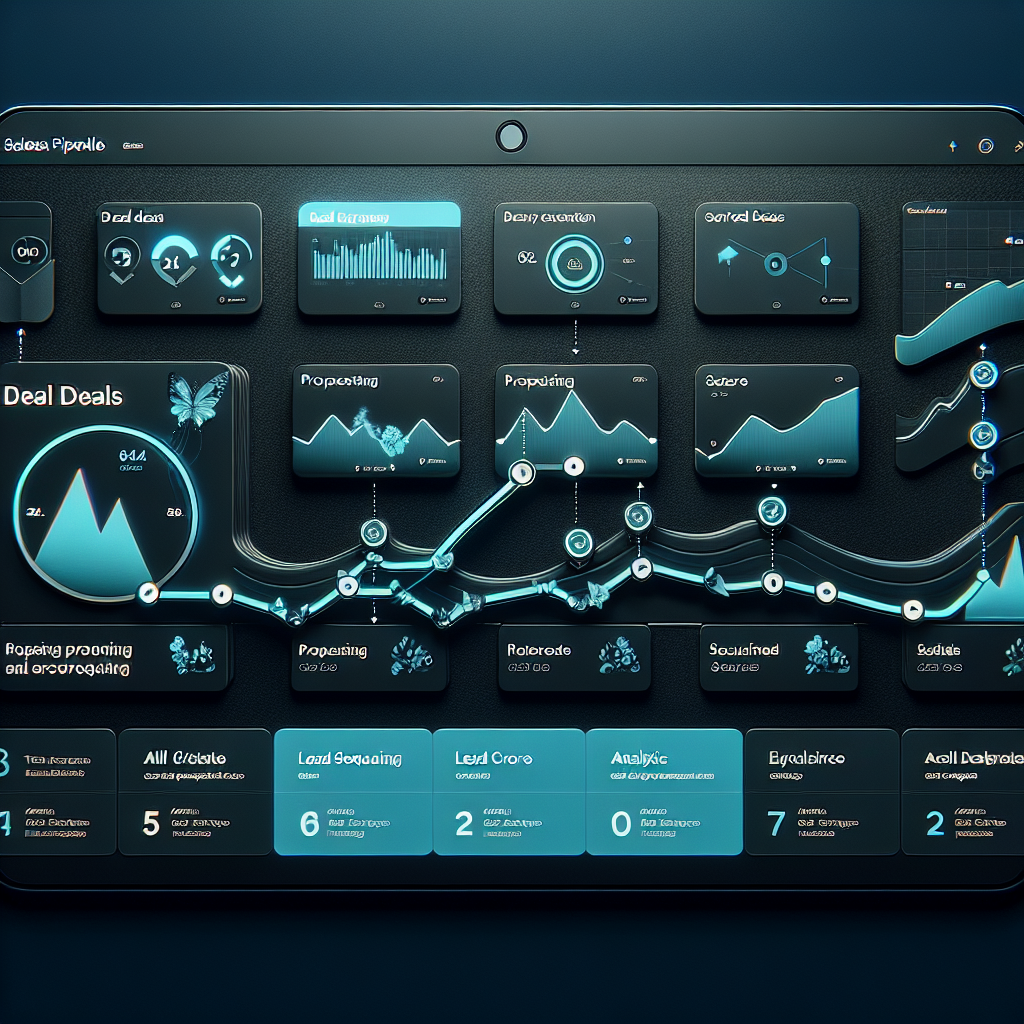
Early-access qualification and follow-up workspace for founders: capture the operating problem, prepare reviewable guidance, and keep consequential sales actions human-authorized.
Replaces:
- Outreach / Salesloft
- Gong
- PandaDoc
- Clay / Apollo
Governed intake and qualification path; CRM mutation and customer delivery remain separately authorized.
Learn more →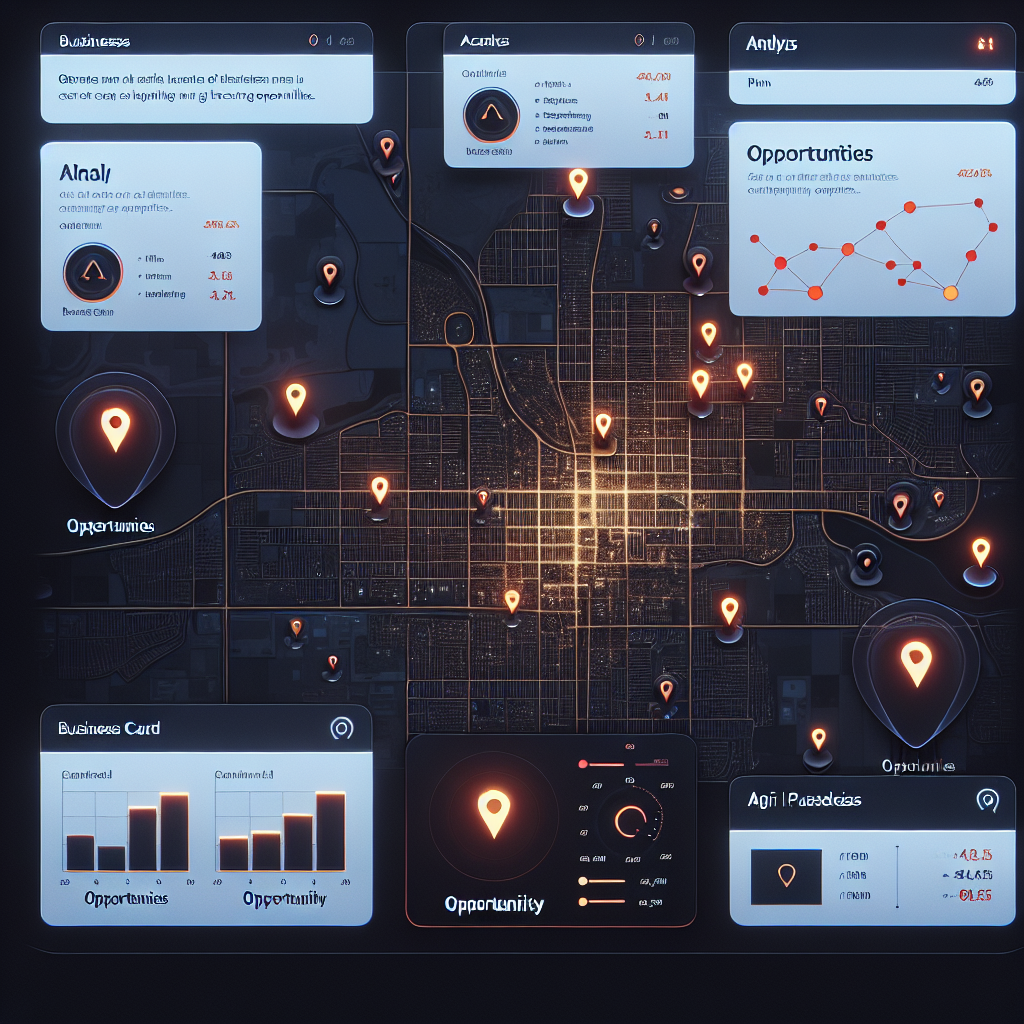
Geographic business discovery, AI opportunity scoring, multi-format pitch generation, outreach approval workflow, Zoho CRM sync, and full customer lifecycle tracking.
Replaces:
- ZoomInfo / Crunchbase
- Clearbit Enrich
- ChurnZero / Gainsight
53 API endpoints. 674 test cases across 10 test tiers.
Learn more →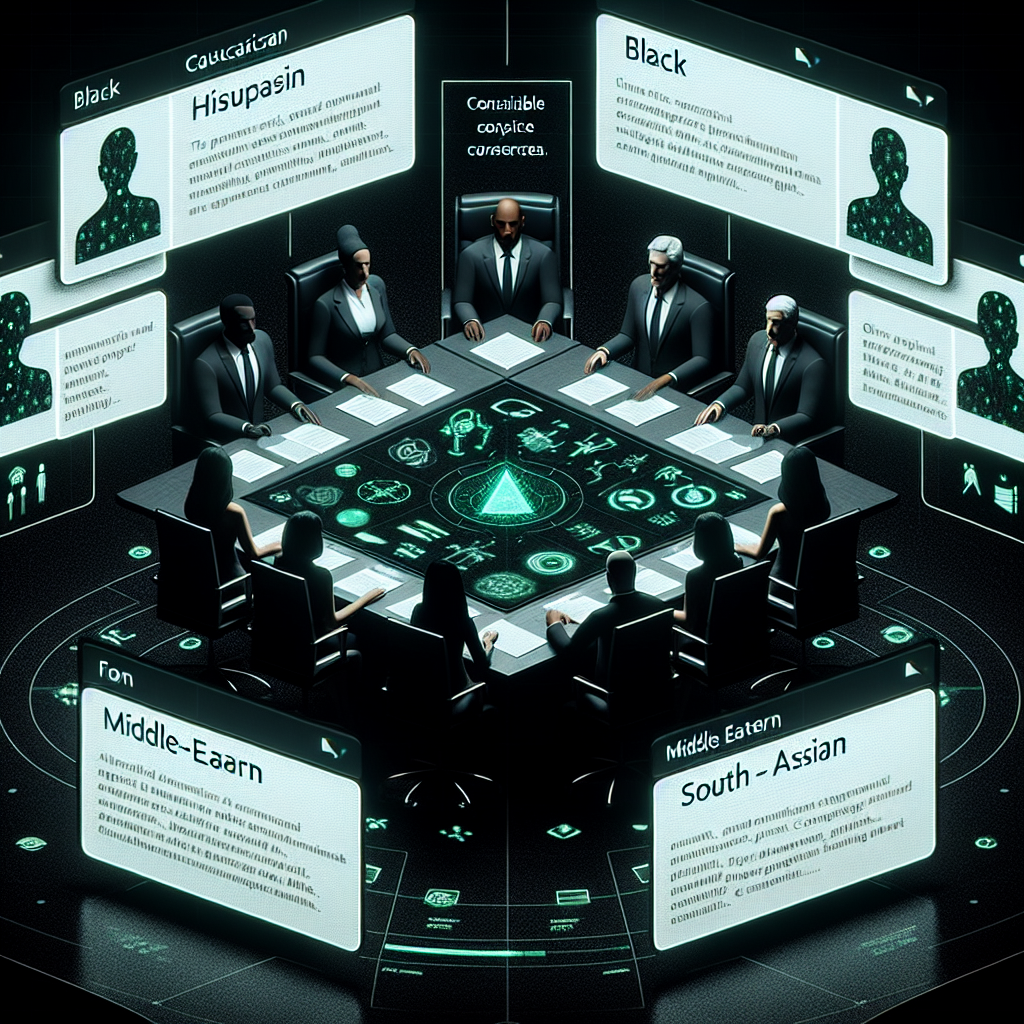
8 AI advisors — CFO, COO, CMO, CTO, Legal, Strategic, Life Coach, Second Brain — running as a structured advisory board with full organizational context.
Replaces:
- Fractional CFO retainer
- Fractional CMO retainer
- External legal counsel
6-category goal alignment scoring. 16 core tables. SSO + 7-year audit logs.
Learn more →
AI-powered industry news aggregation with Claude NLP analysis, semantic search via vector embeddings, trend detection, and a training portal with courses and certifications.
Replaces:
- Feedly / Inoreader
- Perplexity Pro
- Coursera / Pluralsight
18 GraphQL queries + 12 mutations. pgvector across 27 tables. 122+ tests.
Learn more →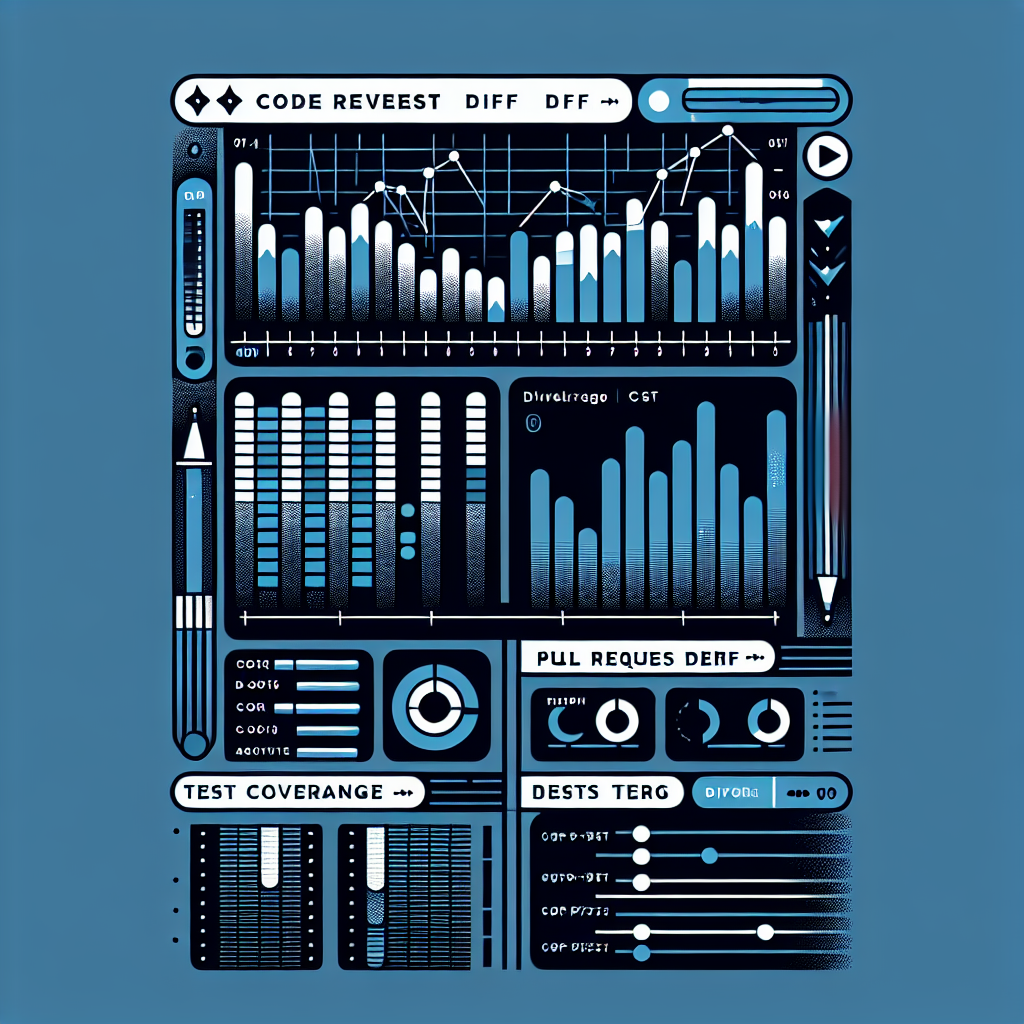
Development workflow automation across 7 microservices — parallel AI code review (security, performance, architecture, testing agents), CI/CD management, monitoring, and 43 type-safe slash commands.
Replaces:
- LinearB / Swarmia
- SonarQube / Code Climate
- Grafana Cloud / Datadog
Parallel review: 3–5 min vs. 12–20 min sequential. 7 microservices. 43 commands.
Learn more →
A 5-agent system (Content Strategist, Post Composer, Engagement Manager, Lead Qualifier, Campaign Orchestrator) that turns LinkedIn from a publication channel into an acquisition channel.
Replaces:
- Shield Analytics
- Taplio
- AuthoredUp / Supercreator
5 specialized agents with individual quality gates. Direct Sales Hub integration.
Learn more →
MOS discovery and guided pilot motion for Shopify operators: one bounded workflow, visible approval gates, and evidence before expansion.
Replaces:
- Standalone dashboard pitch
- Self-serve rollout story
- Proof-free automation claims
Pilot-only. Discovery CTA. Managed expansion only after evidence review.
Learn more →
Automated product documentation from git history — commit narratives, Architecture Decision Records, API snapshots, test coverage trends, feature lifecycle tracking, and session logs. Zero docs written by hand.
Replaces:
- Confluence (changelogs)
- Swimm / Doctave
- Manual sprint reports
Commit history parsed. 4 beta products tracked. Sub-second narrative generation. 6 doc table types.
Learn more →
Autonomous agent swarm orchestration — deploy multi-agent colonies that coordinate via priority work queues, make decisions with full audit trails, checkpoint state for recovery, and learn across domains.
Replaces:
- Manual DevOps coordination tools
- Custom orchestration scripts
- Multiple monitoring dashboards
1,546+ lines core. 8 database tables. 4 autonomy levels. Real-time checkpointing.
Learn more →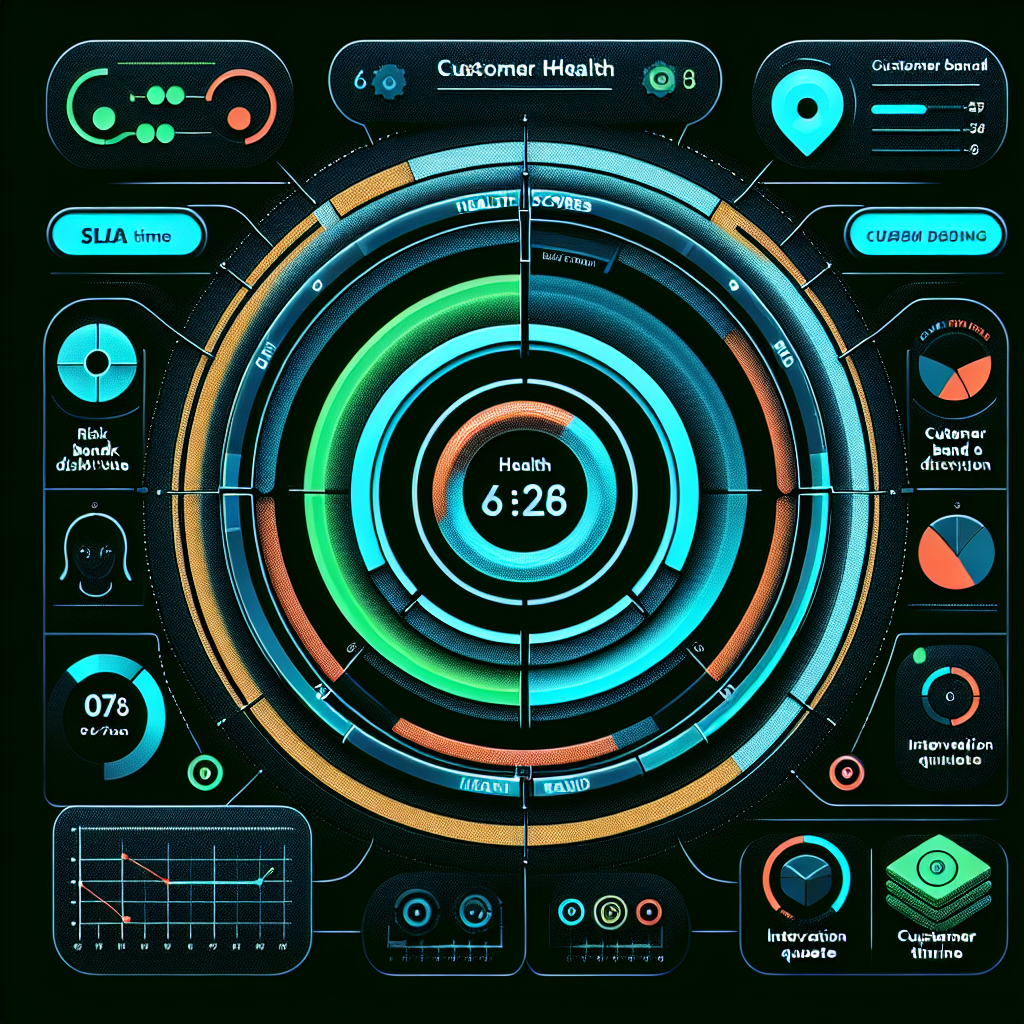
AI-powered customer health intelligence — know which customers are at risk before they churn. Proactive interventions triggered by real-time health scoring, lifecycle tracking, and renewal signals.
Replaces:
- Gainsight ($30,000/yr)
- ChurnZero ($15,000/yr)
- Totango ($599/mo)
- Manual account reviews
Real-time health scoring. Automated risk alerts. Renewal pipeline integration.
Learn more →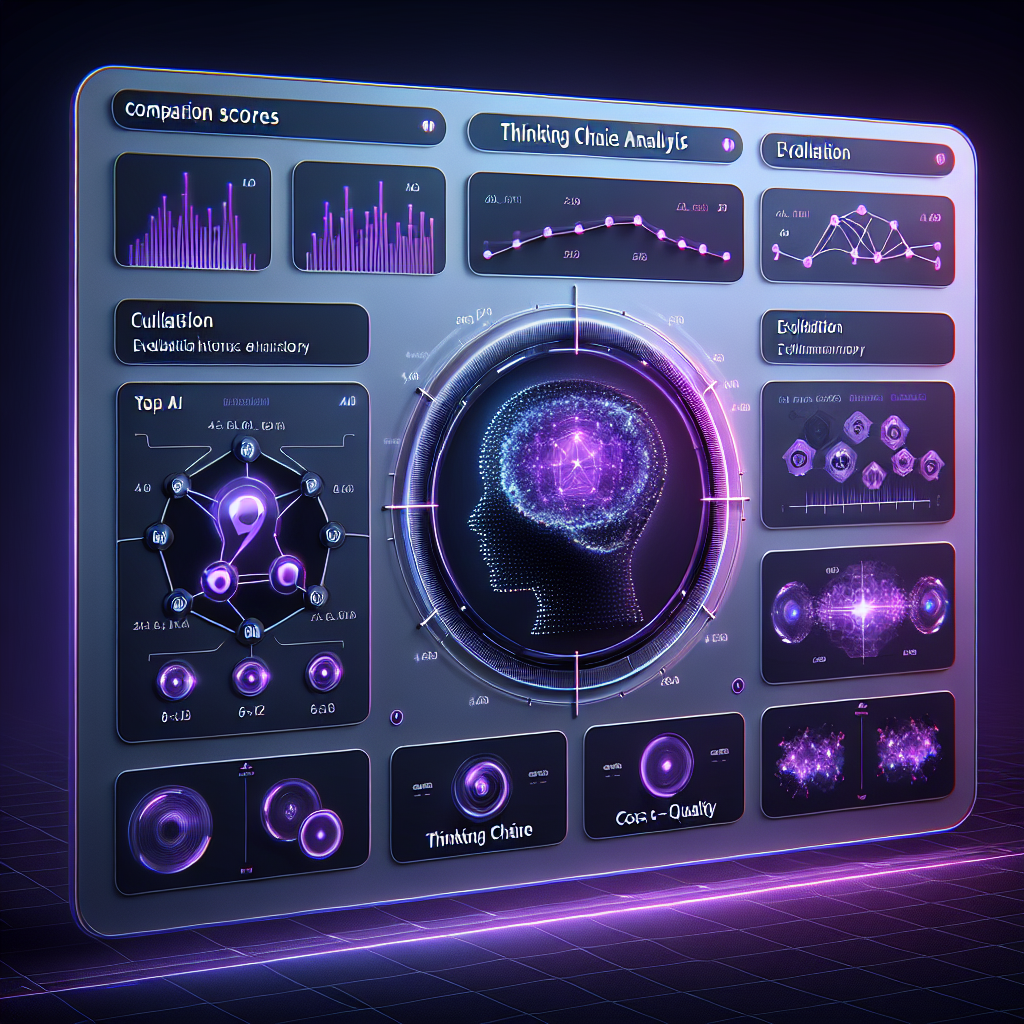
AI evaluation, model testing, and thinking analysis — stop guessing if your AI outputs are good. Score, compare, and optimize model performance with structured evaluation frameworks and real-time cost-quality tradeoffs.
Replaces:
- Brainlox
- LangSmith ($39/mo)
- Custom eval harnesses
- Manual model comparison
Structured evaluation frameworks. Cost-quality tradeoff dashboards. Thinking trace analysis.
Learn more →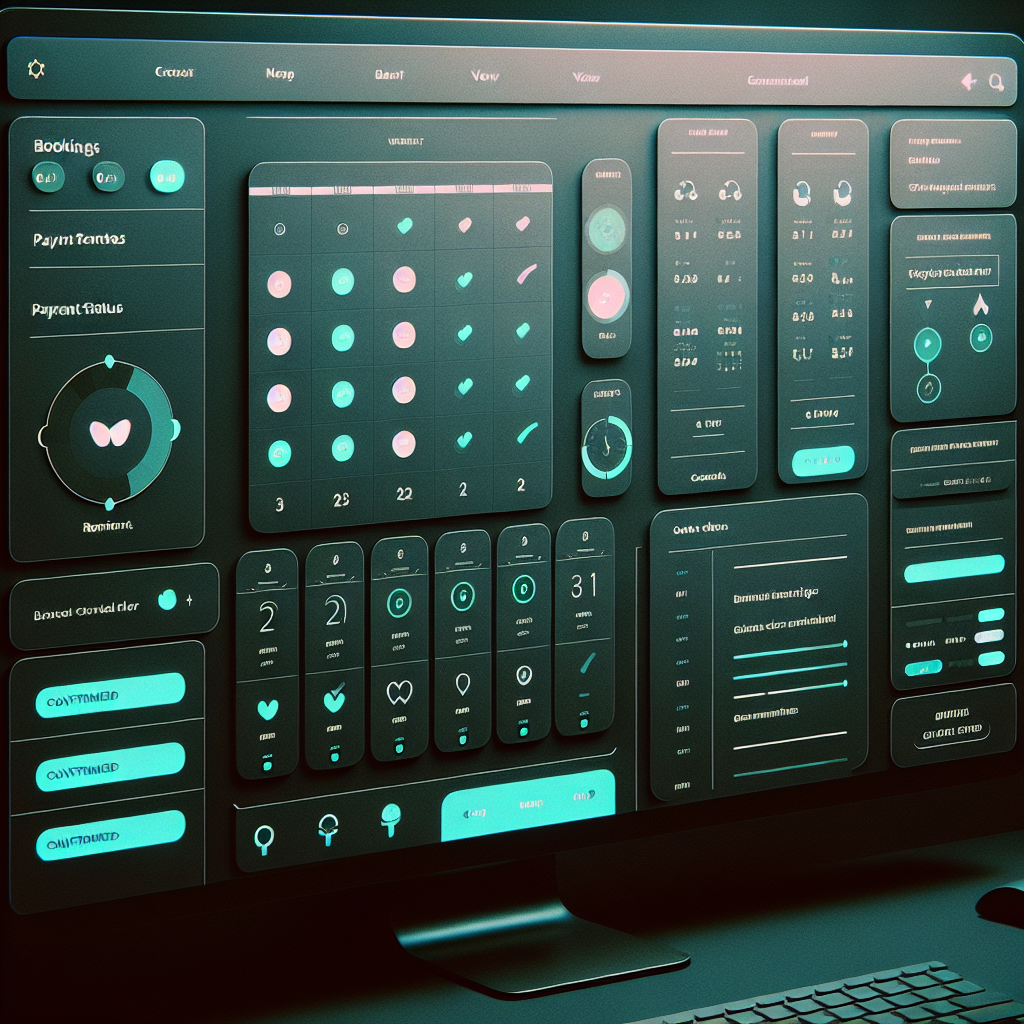
Online booking patterns with scheduling, optional payment seams, and reviewable reminder workflows. Customer-specific integrations and outcome targets require scoped validation.
Replaces:
- Calendly ($12–$20/user)
- Acuity Scheduling ($16–$46/mo)
- Square Appointments ($30–$70/mo)
- Manual phone scheduling
Weather-aware rescheduling. Client self-service portal. Stripe payment collection. No-show enforcement.
Learn more →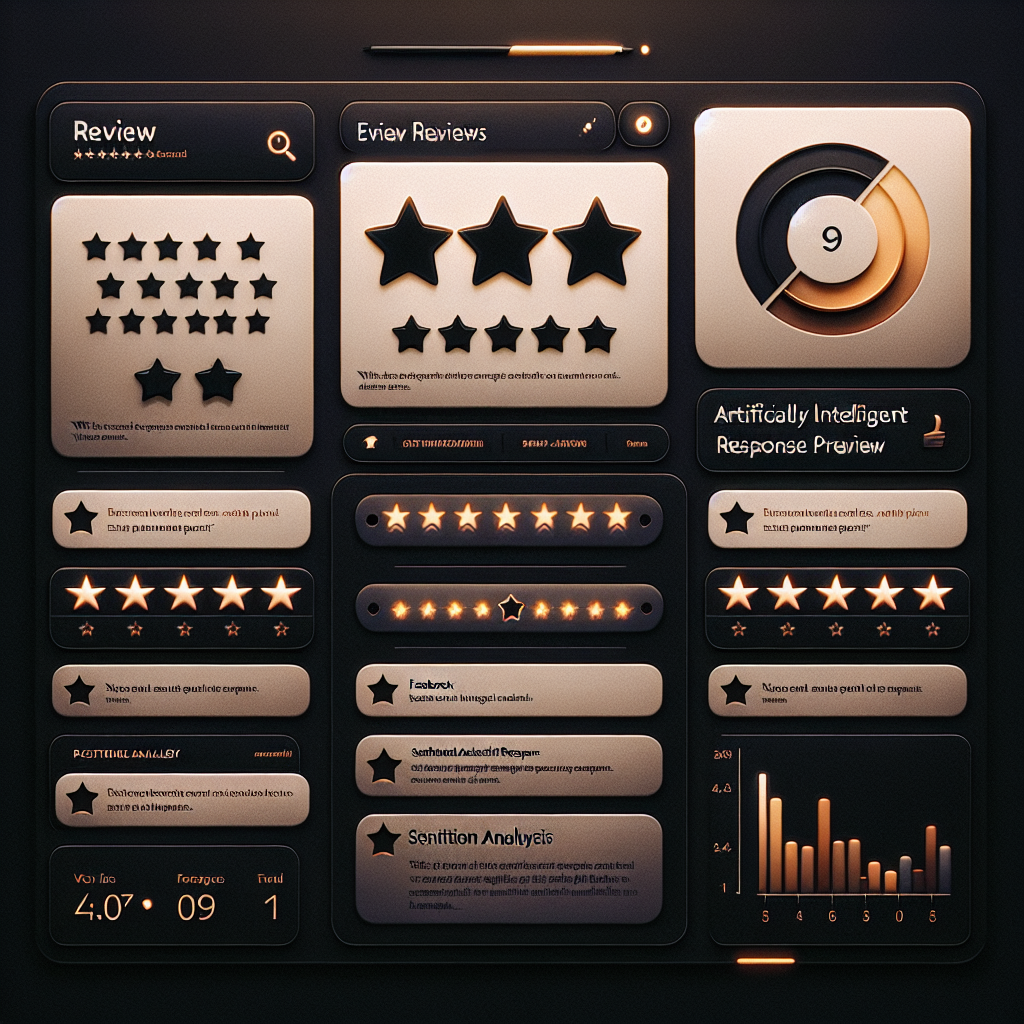
Monitor reviews across Google, Yelp, Facebook, and 50+ platforms. AI drafts responses for your approval. Proactive review solicitation and social proof widgets for your website.
Replaces:
- Birdeye ($350/mo)
- Podium ($399/mo)
- ReviewTrackers ($50/location/mo)
- Manually checking 5 review sites
Sentiment analysis. Trend tracking. Multi-platform inbox. One-click approval.
Learn more →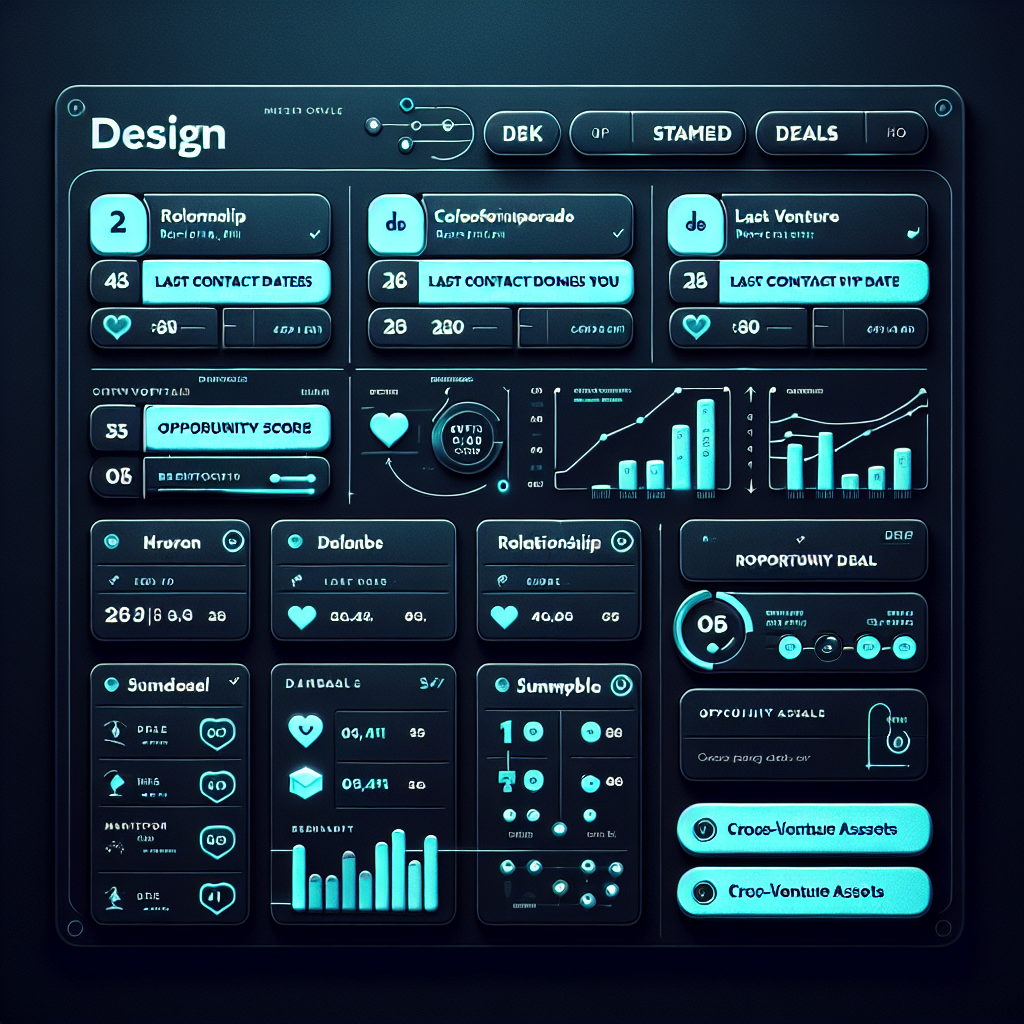
AI-powered deal pipeline management — track opportunities from first contact through close, with intelligent follow-up cadences, win/loss analysis, and CRM-native forecasting.
Replaces:
- Salesforce ($150/user/mo)
- HubSpot Sales Hub ($90/user/mo)
- Close CRM ($49/user/mo)
Pipeline scoring. Deal health alerts. Automated follow-up sequences. CRM-native forecasting.
Learn more →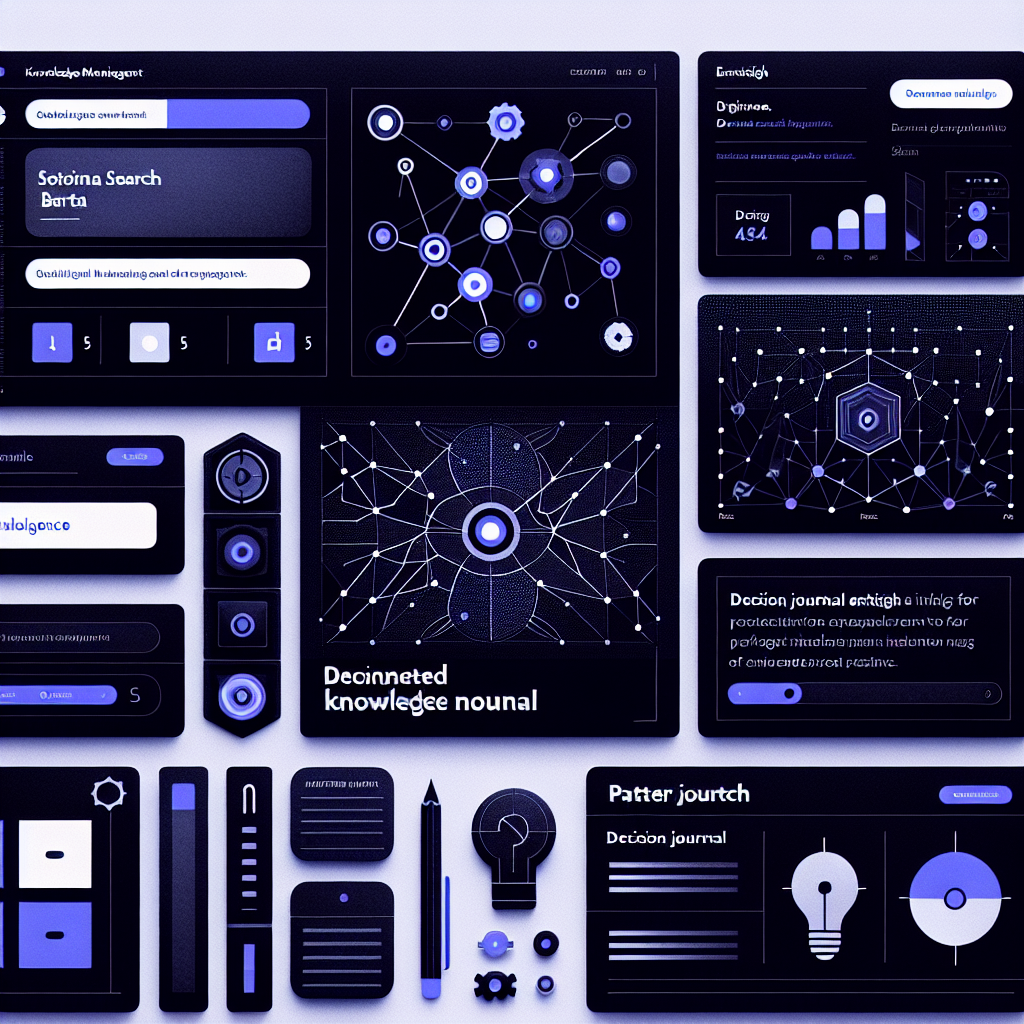
Organizational knowledge capture and retrieval — meeting notes, decisions, research, and institutional memory stored, linked, and surfaced automatically when relevant.
Replaces:
- Notion ($16/user/mo)
- Confluence ($10/user/mo)
- Obsidian Sync ($10/mo)
- Roam Research ($15/mo)
Auto-tagging. Semantic search. Decision journaling. Cross-product knowledge linking.
Learn more →
AI-driven compliance tracking and policy management — map regulatory requirements, track control status, auto-generate evidence packages, and surface gaps before audits.
Replaces:
- Vanta ($800/mo)
- Drata ($1,000/mo)
- Tugboat Logic ($500/mo)
- Manual audit prep
SOC 2, ISO 27001, GDPR framework support. Tamper-evident evidence collection. Policy ownership tracking.
Learn more →
Internal AI literacy training — onboard staff on the platform, certify operators, track completion, and deliver role-specific learning paths with assessments and hands-on simulations.
Replaces:
- Lessonly ($15/user/mo)
- TalentLMS ($59/mo)
- Docebo ($25/user/mo)
- Custom LMS builds
Role-based tracks. Certification badges. Completion analytics. AI tutor integration.
Learn more →
Prompt engineering workbench for enterprise teams — build, test, version, and deploy system prompts across all platform agents with A/B testing and performance analytics.
Replaces:
- PromptLayer ($49/mo)
- Langfuse ($49/mo)
- Custom internal tooling
- Manual prompt management
Prompt versioning. A/B testing. Cost tracking. OWASP LLM Top 10 scanning. Agent deployment.
Learn more →
AI model lifecycle management — track which models power which agents, monitor cost per task, manage API key rotation, and enforce model governance across the entire platform.
Replaces:
- Custom model registries
- Helicone ($50/mo)
- Portkey ($49/mo)
- Manual cost tracking spreadsheets
Model registry. Cost dashboards. Latency tracking. Automatic fallback routing.
Learn more →
Multi-channel outbound — three tone variants per prospect, predicted open + click rates pre-send, sequencing across email, SMS, and LinkedIn, all gated through HITL approval and routed via Zoho Mail / SMS.
Replaces:
- Outreach ($100/user/mo)
- Lemlist ($59/user/mo)
- Apollo Sequences ($49/user/mo)
- Manually copy-pasting templates
Three tone variants per prospect. Pre-send prediction. Three channels. Zero ungated sends.
Learn more →
Signed container distribution and a license authority for Mahoosuc products deployed to customer-controlled infrastructure. Cosign-signed images, per-tenant Docker bundling, and revocation that actually propagates.
Replaces:
- Homegrown distribution scripts
- Manual key rotation
- Trust-the-customer license files
- Sigstore + custom LAS builds
Cosign-signed images. Per-tenant license validation. Heartbeat-based revocation. Centralized authority service.
Learn more →Why teams consolidate on one operating layer
Illustrative planning comparison — verify current vendor pricing, configured scope, and measured usage before relying on these ranges.
| Category | Current (12+ tools) | With Mahoosuc | Savings |
|---|---|---|---|
| Per user / month (blended) | $65–$110 | $15–$25 | 70–80% |
| Annual spend, 50 users | $39,000–$66,000 | $9,000–$15,000 | $30,000–$51,000 |
| Annual spend, 200 users | $156,000–$264,000 | $18,000–$30,000 | $138,000–$234,000 |
| Vendor relationships | 12+ | 1 | Scope-dependent |
| Integration maintenance (hrs/mo) | 40+ | 0 | Measure after integration |
| Data silos | 12 | 0 | Measure after migration |
Use this as a planning baseline. Final scope depends on which products you need live first and which systems need integration.
How to engage
Start with a scoped conversation and a live walkthrough.
We use the call to clarify fit. You see the relevant products running, we review your current stack and operating constraints, and we leave with a concrete scope for platform access, an operator blueprint, implementation, or a combination of them.
Before you call

Human approval on every high-risk action
This is not a setting you enable. It is how the system is built. Every consequential action — outreach sent, data modified, deployment executed — routes through a human gate. You see what the AI is about to do, what it assumed, and how confident it is. You decide.
Full source code
You own it. The platform runs on your infrastructure if you want. No vendor lock-in. No black box. No dependency on our continued existence to keep your systems running.

No promises about roadmap
We separate what is built from what is planned. The discovery call and proposal are scoped only to built capabilities. We tell you what the roadmap contains — and we are explicit that it is not yet built.

Verifiable numbers
Every metric on this page is in the git log. git log --oneline | wc -l gives you the commit count. The agent directory gives you the agent count. The CI history gives you the test count. We don't ask you to take our word for it.
If the products fit, we scope the first implementation around the operator blueprint that matters most. If they do not, we say so directly.
The next step is a live review of the system and a clear statement of which products, blueprints, and implementation work are in scope now.