The Platform
4 products in beta. 0 in development.
Product availability is evidence-bound: some surfaces are production, beta, early access, or coming soon. Open starters, scoped implementation, and managed operations are separate paths; a catalog entry is not a customer deployment.
22 Products
Every product replaces tools you already pay for
Each product runs on shared infrastructure with a shared data model and approval layer. That means your sales data flows into customer success, your content pipeline connects to your CRM, and every AI action routes through human approval — without integration engineering.

Full content lifecycle — AI creation, multi-platform publishing, brand voice enforcement, SEO auditing, campaign management with A/B testing.
Replaces:
- Buffer / Hootsuite
- Jasper / Copy.ai
- SEMrush (content)
- Canva Pro
62 database tables. 14 social platform API clients. 37 test files.
Learn more →
Early-access qualification and follow-up workspace for founders: capture the operating problem, prepare reviewable guidance, and keep consequential sales actions human-authorized.
Replaces:
- Outreach / Salesloft
- Gong
- PandaDoc
- Clay / Apollo
Governed intake and qualification path; CRM mutation and customer delivery remain separately authorized.
Learn more →
Geographic business discovery, AI opportunity scoring, multi-format pitch generation, outreach approval workflow, Zoho CRM sync, and full customer lifecycle tracking.
Replaces:
- ZoomInfo / Crunchbase
- Clearbit Enrich
- ChurnZero / Gainsight
53 API endpoints. 674 test cases across 10 test tiers.
Learn more →
8 AI advisors — CFO, COO, CMO, CTO, Legal, Strategic, Life Coach, Second Brain — running as a structured advisory board with full organizational context.
Replaces:
- Fractional CFO retainer
- Fractional CMO retainer
- External legal counsel
6-category goal alignment scoring. 16 core tables. SSO + 7-year audit logs.
Learn more →
AI-powered industry news aggregation with Claude NLP analysis, semantic search via vector embeddings, trend detection, and a training portal with courses and certifications.
Replaces:
- Feedly / Inoreader
- Perplexity Pro
- Coursera / Pluralsight
18 GraphQL queries + 12 mutations. pgvector across 27 tables. 122+ tests.
Learn more →
Development workflow automation across 7 microservices — parallel AI code review (security, performance, architecture, testing agents), CI/CD management, monitoring, and 43 type-safe slash commands.
Replaces:
- LinearB / Swarmia
- SonarQube / Code Climate
- Grafana Cloud / Datadog
Parallel review: 3–5 min vs. 12–20 min sequential. 7 microservices. 43 commands.
Learn more →
A 5-agent system (Content Strategist, Post Composer, Engagement Manager, Lead Qualifier, Campaign Orchestrator) that turns LinkedIn from a publication channel into an acquisition channel.
Replaces:
- Shield Analytics
- Taplio
- AuthoredUp / Supercreator
5 specialized agents with individual quality gates. Direct Sales Hub integration.
Learn more →
MOS discovery and guided pilot motion for Shopify operators: one bounded workflow, visible approval gates, and evidence before expansion.
Replaces:
- Standalone dashboard pitch
- Self-serve rollout story
- Proof-free automation claims
Pilot-only. Discovery CTA. Managed expansion only after evidence review.
Learn more →
Automated product documentation from git history — commit narratives, Architecture Decision Records, API snapshots, test coverage trends, feature lifecycle tracking, and session logs. Zero docs written by hand.
Replaces:
- Confluence (changelogs)
- Swimm / Doctave
- Manual sprint reports
Commit history parsed. 4 beta products tracked. Sub-second narrative generation. 6 doc table types.
Learn more →
Autonomous agent swarm orchestration — deploy multi-agent colonies that coordinate via priority work queues, make decisions with full audit trails, checkpoint state for recovery, and learn across domains.
Replaces:
- Manual DevOps coordination tools
- Custom orchestration scripts
- Multiple monitoring dashboards
1,546+ lines core. 8 database tables. 4 autonomy levels. Real-time checkpointing.
Learn more →
AI-powered customer health intelligence — know which customers are at risk before they churn. Proactive interventions triggered by real-time health scoring, lifecycle tracking, and renewal signals.
Replaces:
- Gainsight ($30,000/yr)
- ChurnZero ($15,000/yr)
- Totango ($599/mo)
- Manual account reviews
Real-time health scoring. Automated risk alerts. Renewal pipeline integration.
Learn more →
AI evaluation, model testing, and thinking analysis — stop guessing if your AI outputs are good. Score, compare, and optimize model performance with structured evaluation frameworks and real-time cost-quality tradeoffs.
Replaces:
- Brainlox
- LangSmith ($39/mo)
- Custom eval harnesses
- Manual model comparison
Structured evaluation frameworks. Cost-quality tradeoff dashboards. Thinking trace analysis.
Learn more →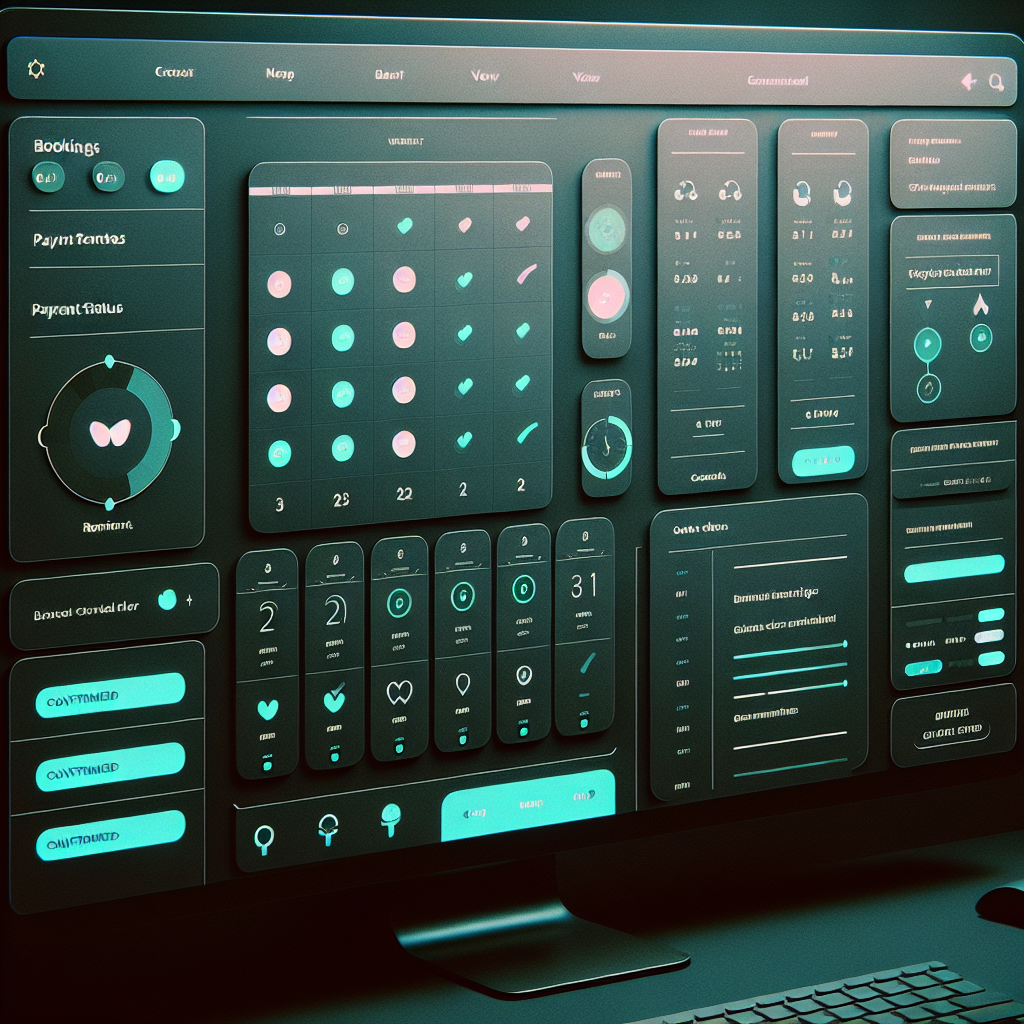
Online booking patterns with scheduling, optional payment seams, and reviewable reminder workflows. Customer-specific integrations and outcome targets require scoped validation.
Replaces:
- Calendly ($12–$20/user)
- Acuity Scheduling ($16–$46/mo)
- Square Appointments ($30–$70/mo)
- Manual phone scheduling
Weather-aware rescheduling. Client self-service portal. Stripe payment collection. No-show enforcement.
Learn more →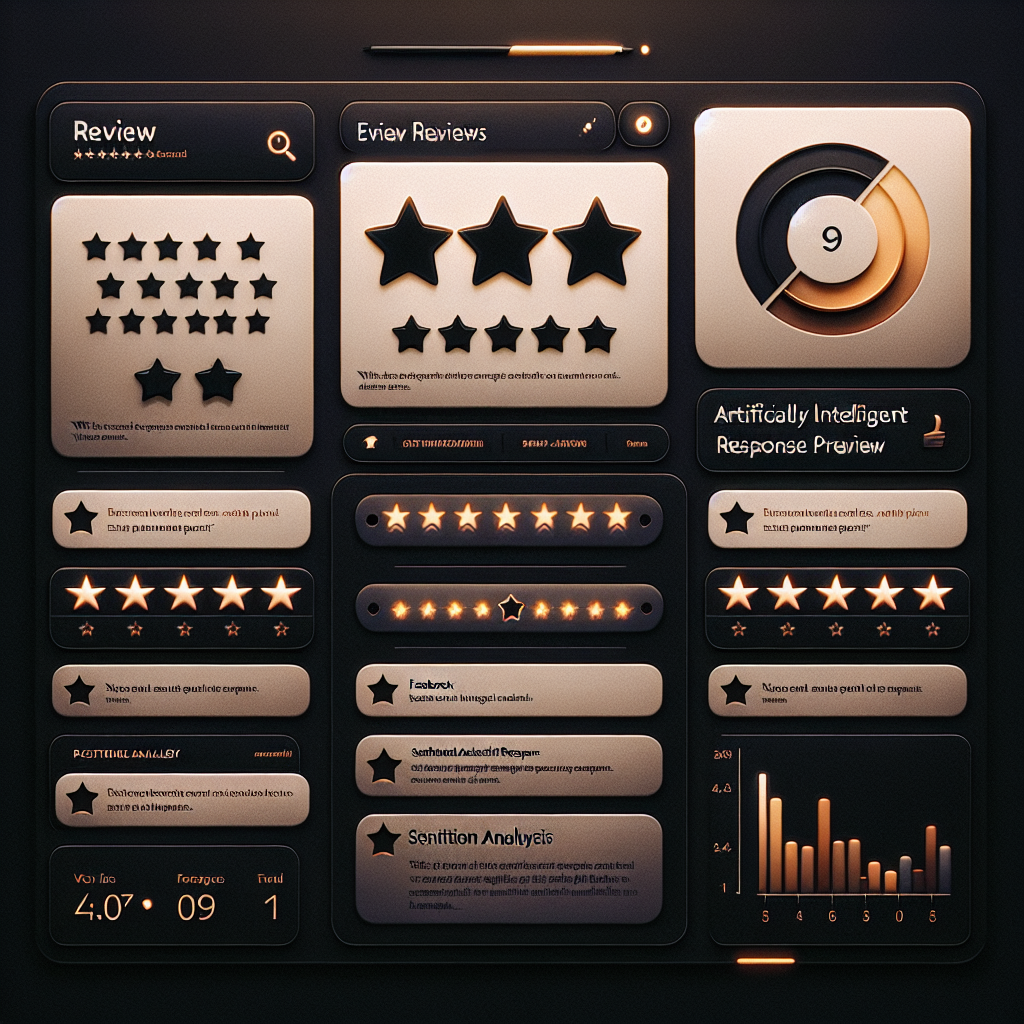
Monitor reviews across Google, Yelp, Facebook, and 50+ platforms. AI drafts responses for your approval. Proactive review solicitation and social proof widgets for your website.
Replaces:
- Birdeye ($350/mo)
- Podium ($399/mo)
- ReviewTrackers ($50/location/mo)
- Manually checking 5 review sites
Sentiment analysis. Trend tracking. Multi-platform inbox. One-click approval.
Learn more →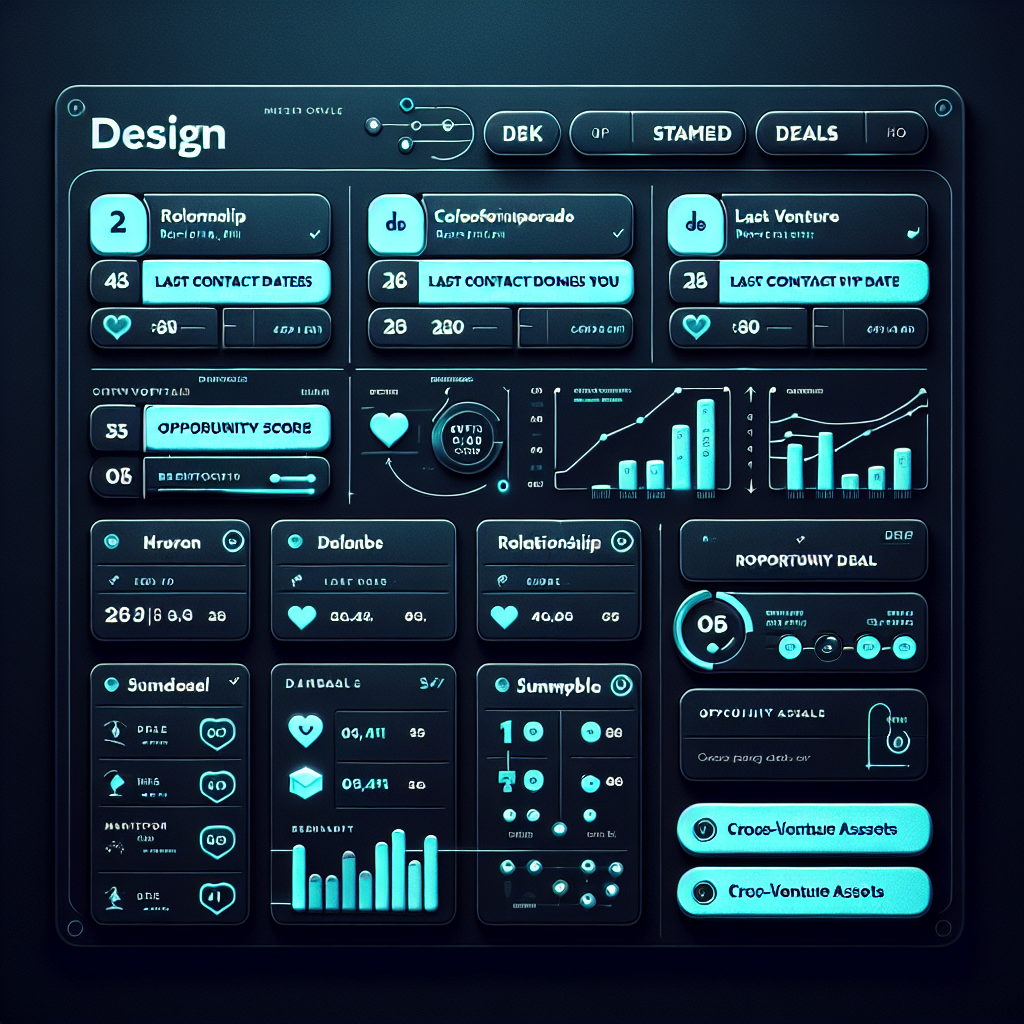
AI-powered deal pipeline management — track opportunities from first contact through close, with intelligent follow-up cadences, win/loss analysis, and CRM-native forecasting.
Replaces:
- Salesforce ($150/user/mo)
- HubSpot Sales Hub ($90/user/mo)
- Close CRM ($49/user/mo)
Pipeline scoring. Deal health alerts. Automated follow-up sequences. CRM-native forecasting.
Learn more →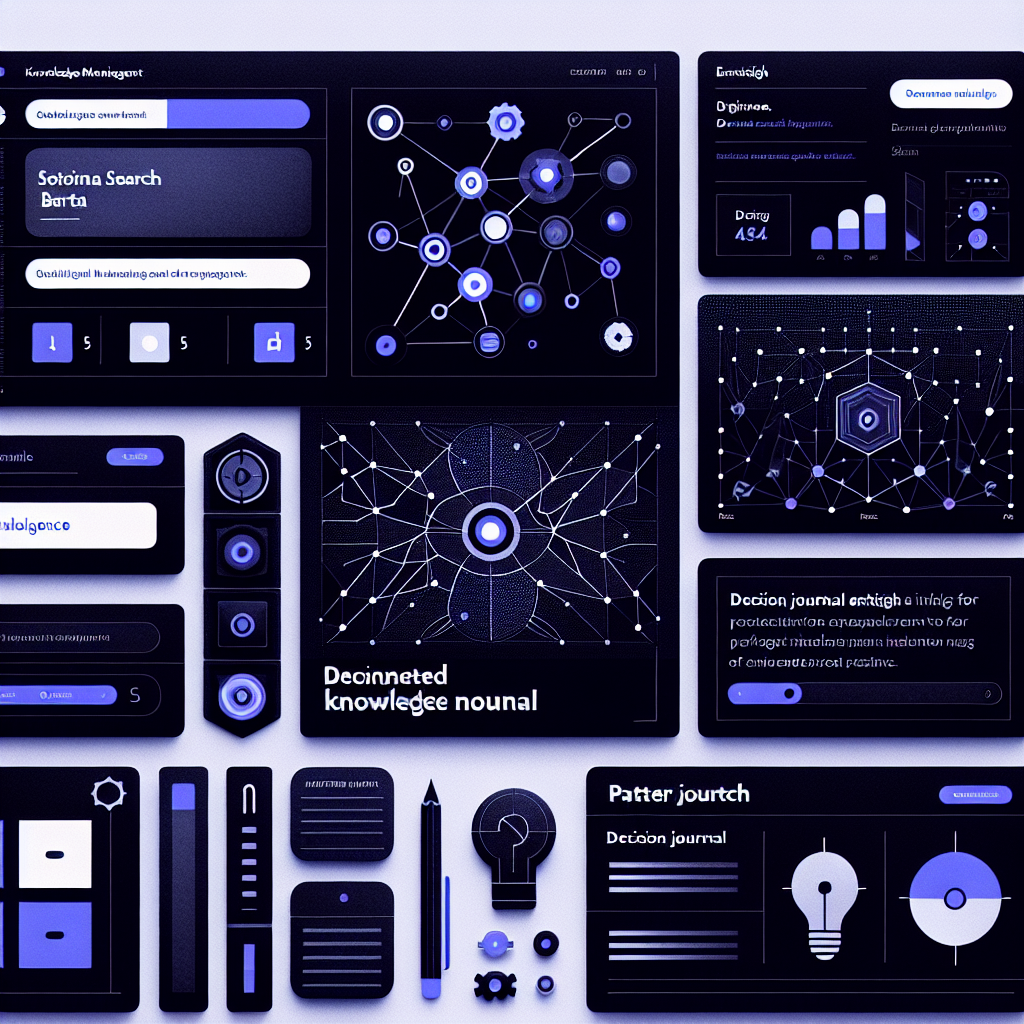
Organizational knowledge capture and retrieval — meeting notes, decisions, research, and institutional memory stored, linked, and surfaced automatically when relevant.
Replaces:
- Notion ($16/user/mo)
- Confluence ($10/user/mo)
- Obsidian Sync ($10/mo)
- Roam Research ($15/mo)
Auto-tagging. Semantic search. Decision journaling. Cross-product knowledge linking.
Learn more →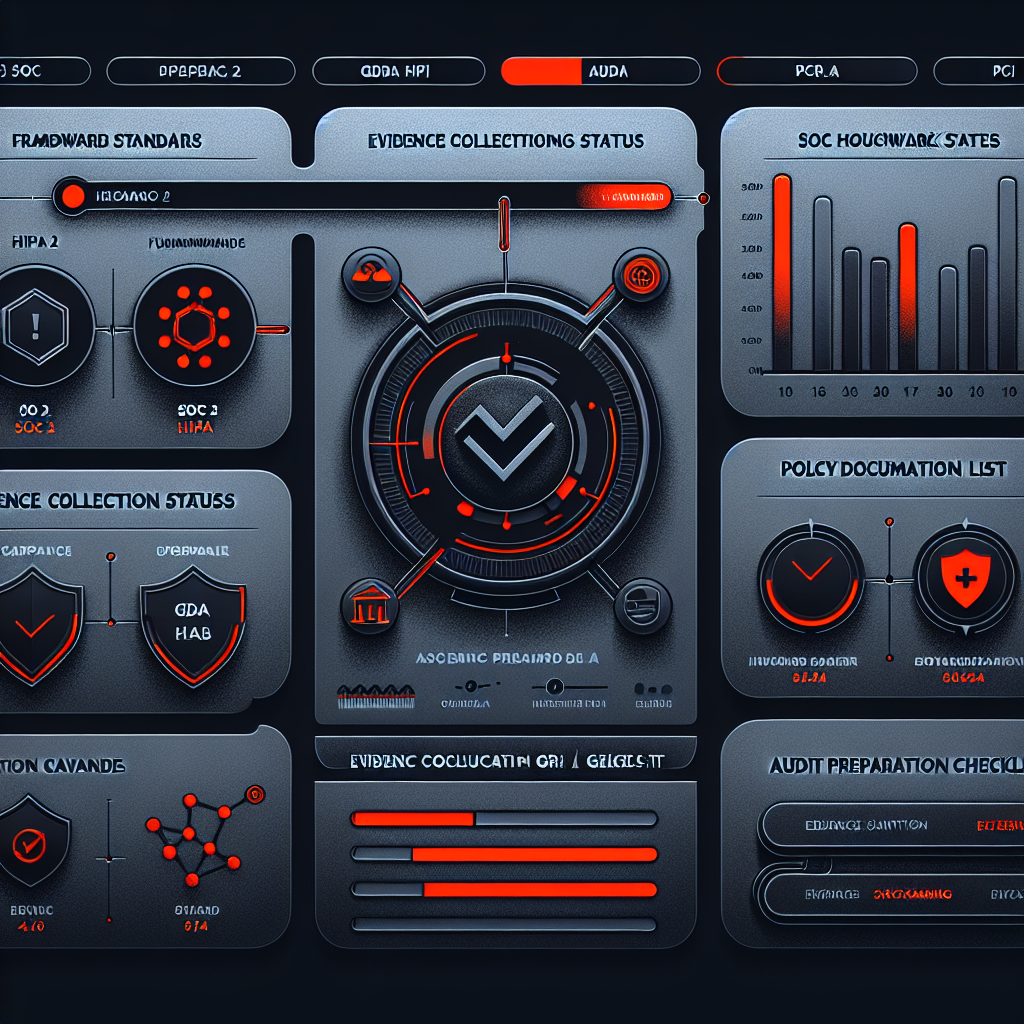
AI-driven compliance tracking and policy management — map regulatory requirements, track control status, auto-generate evidence packages, and surface gaps before audits.
Replaces:
- Vanta ($800/mo)
- Drata ($1,000/mo)
- Tugboat Logic ($500/mo)
- Manual audit prep
SOC 2, ISO 27001, GDPR framework support. Tamper-evident evidence collection. Policy ownership tracking.
Learn more →
Internal AI literacy training — onboard staff on the platform, certify operators, track completion, and deliver role-specific learning paths with assessments and hands-on simulations.
Replaces:
- Lessonly ($15/user/mo)
- TalentLMS ($59/mo)
- Docebo ($25/user/mo)
- Custom LMS builds
Role-based tracks. Certification badges. Completion analytics. AI tutor integration.
Learn more →
Prompt engineering workbench for enterprise teams — build, test, version, and deploy system prompts across all platform agents with A/B testing and performance analytics.
Replaces:
- PromptLayer ($49/mo)
- Langfuse ($49/mo)
- Custom internal tooling
- Manual prompt management
Prompt versioning. A/B testing. Cost tracking. OWASP LLM Top 10 scanning. Agent deployment.
Learn more →
AI model lifecycle management — track which models power which agents, monitor cost per task, manage API key rotation, and enforce model governance across the entire platform.
Replaces:
- Custom model registries
- Helicone ($50/mo)
- Portkey ($49/mo)
- Manual cost tracking spreadsheets
Model registry. Cost dashboards. Latency tracking. Automatic fallback routing.
Learn more →
Multi-channel outbound — three tone variants per prospect, predicted open + click rates pre-send, sequencing across email, SMS, and LinkedIn, all gated through HITL approval and routed via Zoho Mail / SMS.
Replaces:
- Outreach ($100/user/mo)
- Lemlist ($59/user/mo)
- Apollo Sequences ($49/user/mo)
- Manually copy-pasting templates
Three tone variants per prospect. Pre-send prediction. Three channels. Zero ungated sends.
Learn more →
Signed container distribution and a license authority for Mahoosuc products deployed to customer-controlled infrastructure. Cosign-signed images, per-tenant Docker bundling, and revocation that actually propagates.
Replaces:
- Homegrown distribution scripts
- Manual key rotation
- Trust-the-customer license files
- Sigstore + custom LAS builds
Cosign-signed images. Per-tenant license validation. Heartbeat-based revocation. Centralized authority service.
Learn more →Why teams consolidate on one operating layer
Illustrative planning comparison — verify current vendor pricing, configured scope, and measured usage before relying on these ranges.
| Category | Current (12+ tools) | With Mahoosuc | Savings |
|---|---|---|---|
| Per user / month (blended) | $65–$110 | $15–$25 | 70–80% |
| Annual spend, 50 users | $39,000–$66,000 | $9,000–$15,000 | $30,000–$51,000 |
| Annual spend, 200 users | $156,000–$264,000 | $18,000–$30,000 | $138,000–$234,000 |
| Vendor relationships | 12+ | 1 | Scope-dependent |
| Integration maintenance (hrs/mo) | 40+ | 0 | Measure after integration |
| Data silos | 12 | 0 | Measure after migration |
Use this as a planning baseline. Final scope depends on which products you need live first and which systems need integration.
Operator blueprints
How products become deployable operating patterns
An operator blueprint is the middle offer between raw software and full custom implementation. It packages the right products with role-specific logic, approval points, outputs, and metrics so a customer can start from a working operating pattern instead of a blank page.
What a blueprint includes
Product capabilities, subject-matter templates, default decision points, approval gates, data requirements, outputs, and success measures for one concrete function.
What it is not
It is not a generic workflow diagram and it is not a fully bespoke engagement. It is a configurable operating template shaped by real operator and domain expertise.
Example operator blueprints
Why the stack matters more than the tools
Shared context
When ContentStudio knows what content generated the most LinkedIn engagement, and LinkedIn OS knows which posts converted to leads, and SalesOS knows which lead sources closed — all three datasets live in one schema. You can answer "what content generates pipeline?" without a data warehouse project.

Compound learning
When DevFlow captures a security finding, that learning becomes available to the next architecture review. When Board Advisors logs a strategic decision, the Second Brain advisor has that context for the next quarterly review. Institutional knowledge is a first-class schema object, not a person's memory.

One approval workflow
Outreach from Market Intelligence, email responses from Board Advisors, Shopify operator pilot workflows, LinkedIn posts from ContentStudio — all go through the same approval surface. Operators learn one governance model. Audit logs live in one place.

No ETL pipelines
The 12-tool stack requires data to move between systems for any cross-domain analysis. Each handoff is a failure point. Mahoosuc's products share infrastructure — PostgreSQL, Redis, the shared Docker network — and reference each other's schemas directly. There is no sync because there is nothing to sync.
Deep Dive
Explore the full documentation
The Meta-Story
This platform was built by the same technology it delivers.
One human operator working with AI agents built everything on this page — 30 catalog surfaces, 4 public beta offers, and 57 specialized agents. Every claim is tied to repo evidence and catalog data, and implementation begins with a scope review.

The AI agent did not just write code. It dispatched parallel worker teams. It maintained a comprehensive test baseline while shipping features. It generated creative briefs, called image generation APIs to produce assets, wired those assets into components, and deployed — as sequential steps in a single autonomous workflow. When it encountered a problem that broke npm install across the entire monorepo, it solved it with symlinks and documented the fix so the next session started smarter.
What the traditional team would have cost
A team capable of producing the same output:
| Role | Count | Estimated cost |
|---|---|---|
| Senior engineers | 4 | $97,000 |
| Architects | 2 | $53,800 |
| QA engineers | 3 | $40,400 |
| DevOps lead | 1 | $22,900 |
| Product manager | 1 | $20,200 |
| UX designer | 1 | $17,500 |
| Junior developers | 4 | $53,800 |
| Total | 16 people | ~$306,000 |
And that assumes: the team was already hired and onboarded, the first months weren't planning meetings, nobody left mid-project, and the institutional knowledge survived. None of those assumptions hold on traditional projects.
If one person with our AI operating system can build this, imagine what it does for your business.
The repository contains implemented, partial, and planned surfaces. Local tests and build evidence show what can be inspected today; protected CI, deployment, customer acceptance, and operational ownership remain separate gates for each offering.
All metrics verifiable: catalog counts against products/catalog/product-catalog.json, public beta counts against the 2026-04-10 audit, and agent count against the agent registry. We separate catalog breadth from what we actively sell today.
How to engage
Start with a scoped conversation and a live walkthrough.
We use the call to clarify fit. You see the relevant products running, we review your current stack and operating constraints, and we leave with a concrete scope for platform access, an operator blueprint, implementation, or a combination of them.
Before you call

Human approval on every high-risk action
This is not a setting you enable. It is how the system is built. Every consequential action — outreach sent, data modified, deployment executed — routes through a human gate. You see what the AI is about to do, what it assumed, and how confident it is. You decide.

Full source code
You own it. The platform runs on your infrastructure if you want. No vendor lock-in. No black box. No dependency on our continued existence to keep your systems running.

No promises about roadmap
We separate what is built from what is planned. The discovery call and proposal are scoped only to built capabilities. We tell you what the roadmap contains — and we are explicit that it is not yet built.

Verifiable numbers
Every metric on this page is in the git log. git log --oneline | wc -l gives you the commit count. The agent directory gives you the agent count. The CI history gives you the test count. We don't ask you to take our word for it.
If the products fit, we scope the first implementation around the operator blueprint that matters most. If they do not, we say so directly.
The next step is a live review of the system and a clear statement of which products, blueprints, and implementation work are in scope now.