Operating model
Why consolidation matters
This page explains the operating model behind the platform: why disconnected AI tools create friction, how governed workflows reduce waste, and what it looks like to run AI on one shared operating layer.
The Software Consolidation Thesis
Where every industry is headed
Every company managing AI tools right now is somewhere on the same path. The stages are not a consulting framework. They are observable states — and the companies building Stage 4 infrastructure today are already compounding their advantage.
Your company already uses AI. Marketing has a content tool. Engineering has a copilot. Support has a chatbot. Sales has an email writer. Each purchase was defensible. Collectively, they're a mess — and a $390,000/year problem for a 50-person company once you add integration maintenance, vendor management, and context-switching costs on top of integration engineering time. This is not the end state. It is a transitional one.
Tool Explosion
Where most companies are right now
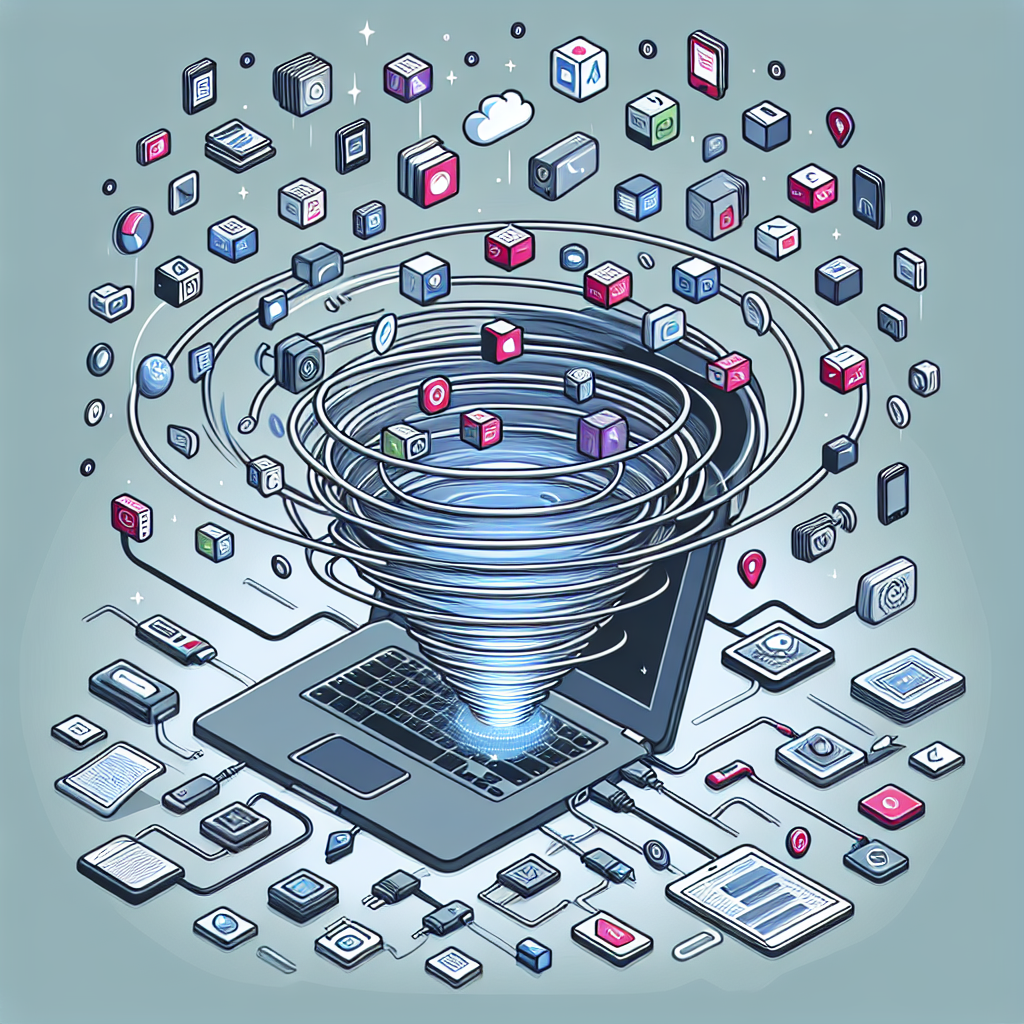
Every department bought its own AI tool. Five, ten, maybe fifteen disconnected point solutions. Each decision was reasonable in isolation. Together, they're producing a coordination tax that shows up as integration engineering time, data silos, and shadow AI usage nobody authorized.
"We use AI — but nobody can tell you what it's actually doing across the organization, what it costs in total, or whether the whole is greater than the sum of the parts."
Shadow AI usage. People run tools their IT department doesn't know about because the sanctioned tools don't solve their actual problems.
The Mandate
Leadership committed. Execution stalled.
AI strategy is on the roadmap. The board is asking questions. There may even be an AI working group. But every proof of concept is exciting for six weeks and stalls before it ships — because the hard part isn't the AI capability. It's everything around it.
"The AI works in the demo. Getting it into production is a different problem entirely."
POC success rate is high. Production shipping rate is not.
The Reckoning
Three missing pieces surface

Organizations discover that no tool purchase can solve what's actually missing: governance (who approves what the AI does?), integration (how do these tools share context?), and learning (how does what you learn from one AI project make the next one faster?).
"We need to get serious about this, but we don't know where to start — and every path forward seems expensive and risky."
The $390,000/year coordination tax becomes visible — including integration maintenance, vendor management, and context-switching costs. The solution isn't another tool.
The Consolidated Platform
The end state. Now available.
You stop buying better tools. You build the connective tissue — approval workflows, shared context, institutional memory. One operator with the right infrastructure does what previously required a team. The system gets smarter every sprint.
Month 1, the system is learning your business. Month 3, it's optimizing. Month 6, it's anticipating.
This is not where the industry is going. This is what Mahoosuc already built.
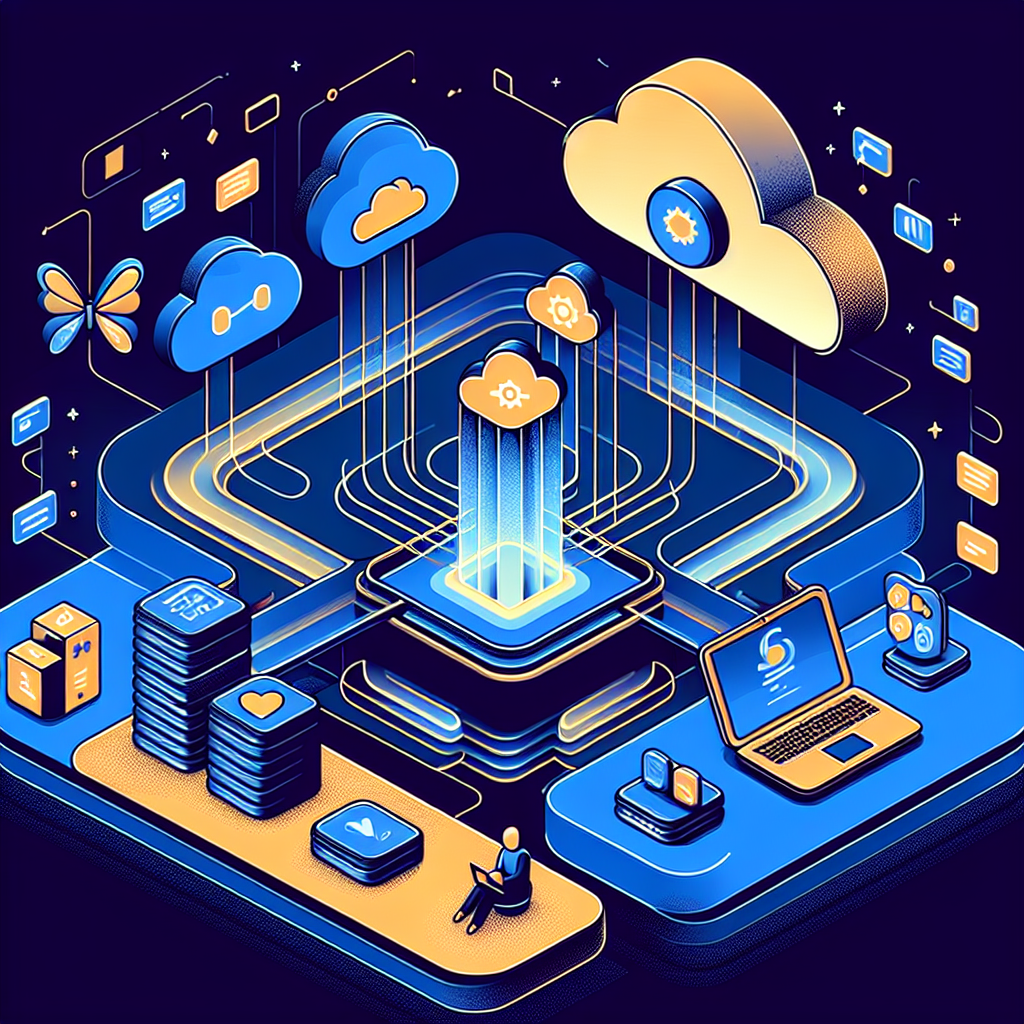
"The companies starting from zero in month 18 are not competing with you from month 18. They're competing with you from zero, while you operate from a 12-month head start that compounds."
Every month at Stage 4 adds pattern libraries, governance frameworks, integration contracts, and tuned configurations that cannot be purchased — only earned. The gap between organizations that have them and organizations that don't widens every sprint.
The Meta-Story
This platform was built by the same technology it delivers.
One human operator working with AI agents built everything on this page — 30 catalog surfaces, 4 public beta offers, and 57 specialized agents. Every claim is tied to repo evidence and catalog data, and implementation begins with a scope review.
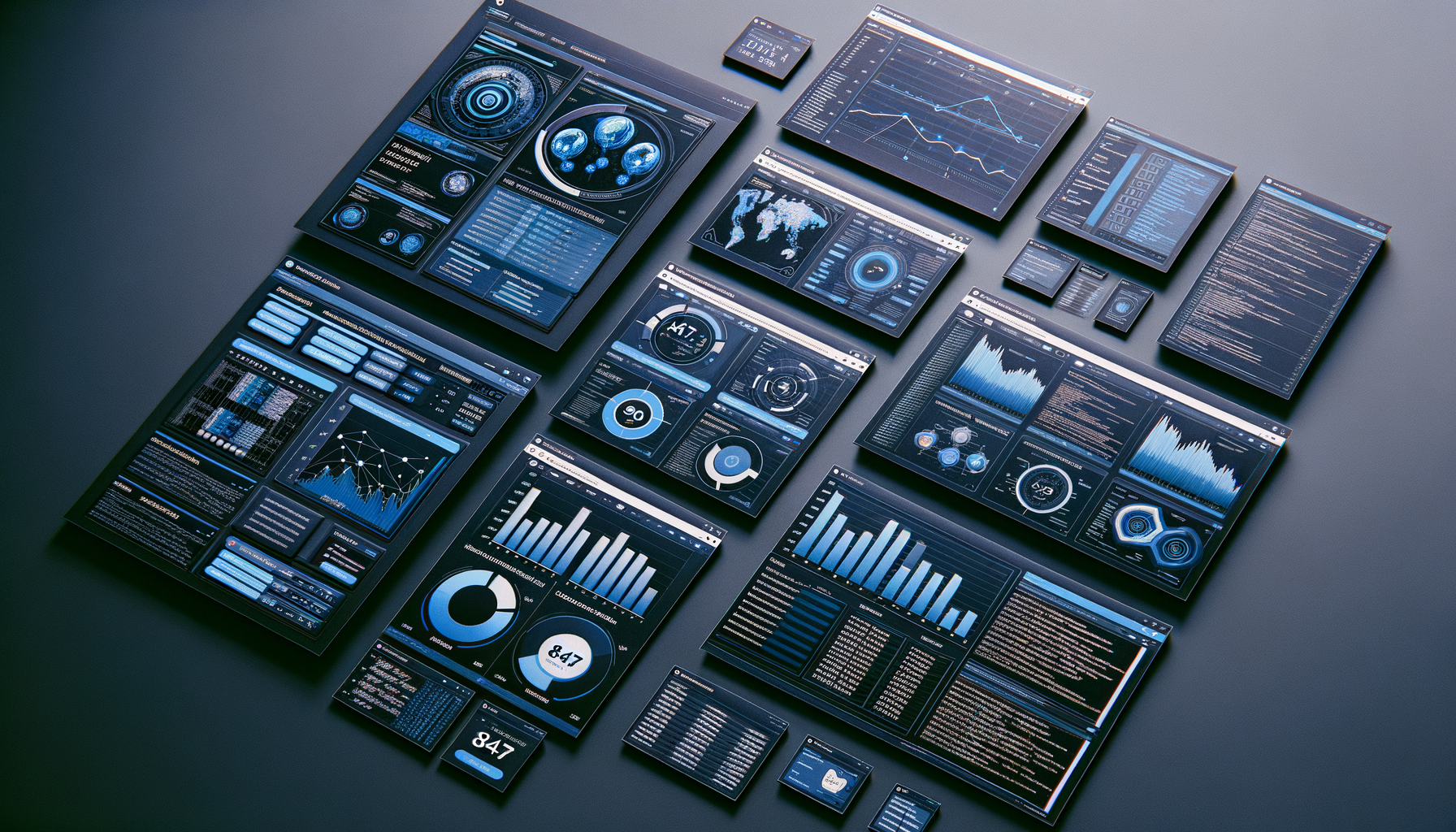
The AI agent did not just write code. It dispatched parallel worker teams. It maintained a comprehensive test baseline while shipping features. It generated creative briefs, called image generation APIs to produce assets, wired those assets into components, and deployed — as sequential steps in a single autonomous workflow. When it encountered a problem that broke npm install across the entire monorepo, it solved it with symlinks and documented the fix so the next session started smarter.
What the traditional team would have cost
A team capable of producing the same output:
| Role | Count | Estimated cost |
|---|---|---|
| Senior engineers | 4 | $97,000 |
| Architects | 2 | $53,800 |
| QA engineers | 3 | $40,400 |
| DevOps lead | 1 | $22,900 |
| Product manager | 1 | $20,200 |
| UX designer | 1 | $17,500 |
| Junior developers | 4 | $53,800 |
| Total | 16 people | ~$306,000 |
And that assumes: the team was already hired and onboarded, the first months weren't planning meetings, nobody left mid-project, and the institutional knowledge survived. None of those assumptions hold on traditional projects.
If one person with our AI operating system can build this, imagine what it does for your business.
The repository contains implemented, partial, and planned surfaces. Local tests and build evidence show what can be inspected today; protected CI, deployment, customer acceptance, and operational ownership remain separate gates for each offering.
All metrics verifiable: catalog counts against products/catalog/product-catalog.json, public beta counts against the 2026-04-10 audit, and agent count against the agent registry. We separate catalog breadth from what we actively sell today.
How to engage
Start with a scoped conversation and a live walkthrough.
We use the call to clarify fit. You see the relevant products running, we review your current stack and operating constraints, and we leave with a concrete scope for platform access, an operator blueprint, implementation, or a combination of them.
Before you call
Human approval on every high-risk action
This is not a setting you enable. It is how the system is built. Every consequential action — outreach sent, data modified, deployment executed — routes through a human gate. You see what the AI is about to do, what it assumed, and how confident it is. You decide.

Full source code
You own it. The platform runs on your infrastructure if you want. No vendor lock-in. No black box. No dependency on our continued existence to keep your systems running.
No promises about roadmap
We separate what is built from what is planned. The discovery call and proposal are scoped only to built capabilities. We tell you what the roadmap contains — and we are explicit that it is not yet built.
Verifiable numbers
Every metric on this page is in the git log. git log --oneline | wc -l gives you the commit count. The agent directory gives you the agent count. The CI history gives you the test count. We don't ask you to take our word for it.
If the products fit, we scope the first implementation around the operator blueprint that matters most. If they do not, we say so directly.
The next step is a live review of the system and a clear statement of which products, blueprints, and implementation work are in scope now.